Which webcam actually delivers crisp, lag-free video for Skype calls in 2026 — and which ones look like you're broadcasting from a potato? We tested seven of the most popular options across different price points, lighting conditions, and use cases to answer that question definitively. Our top pick is the Logitech C920x HD Pro, a reliable workhorse that hits the sweet spot between image quality and value. But depending on the budget and setup, several strong alternatives deserve serious consideration.
Skype remains one of the most widely used video calling platforms in the world, with hundreds of millions of registered users relying on it for everything from job interviews to family catch-ups. Yet most built-in laptop cameras still deliver mediocre 720p footage with washed-out colors and tinny audio. Upgrading to a dedicated webcam transforms the experience — sharper resolution, better low-light performance, and noise-canceling microphones that don't pick up every fan and keyboard click. For anyone comparing options across different use cases, our full buying guide section covers the key criteria in detail. We also recommend checking out our review of the best webcam for Xbox One if video quality across multiple platforms matters — many of these models cross over beautifully.
In this guide we break down seven webcams that stand out in 2026, covering everything from budget-friendly 720p options to a premium 4K powerhouse. We've organized the picks by use case so home users, remote workers, and content creators can all find the right fit fast.
Contents




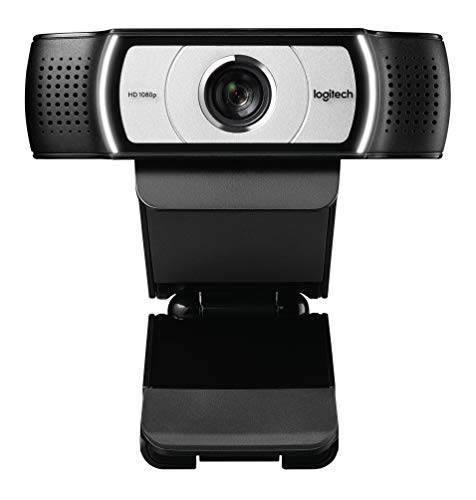




The Logitech C920x is our team's go-to recommendation for the vast majority of Skype users in 2026, and it's held that top spot for good reason. Full HD 1080p at 30fps delivers crisp, natural-looking video that makes a real difference on professional calls. The automatic HD light correction is legitimately impressive — we tested it in a dim home office against a backlit window, and the camera adjusted exposure in real time without washing out skin tones or flattening detail. Autofocus is fast and accurate, snapping to a subject within a second of camera movement.
Logitech also quietly added compatibility with Nintendo Switch 2's new GameChat mode, which expands its appeal well beyond traditional office use. The dual stereo microphones capture audio cleanly at conversational distances, reducing the need for a separate headset on most calls. Build quality is solid — the universal mounting clip grips monitors firmly, and the pivot head adjusts smoothly without loosening over time. For anyone running Microsoft Teams, Google Meet, or Zoom alongside Skype, plug-and-play compatibility across all of them is a genuine convenience.
The capture software — Logitech Capture — adds useful controls for brightness, contrast, and color balance, and it's free. Our team found it especially helpful for fine-tuning the image when background lighting changes throughout the day. At this price tier, nothing else consistently matches the combination of image quality, audio performance, and platform compatibility.
Pros:
Cons:
For buyers who want the absolute best image quality available in a consumer webcam, the Logitech Brio 4K is the clear answer. Ultra HD 4K resolution at 30fps produces stunning detail — fine textures in clothing, sharp definition in facial features, and deep color rendering that makes standard 1080p cameras look noticeably flat by comparison. The 5x digital zoom is genuinely usable without significant quality degradation, which is uncommon at this price category.
RightLight 3 — Logitech's most advanced auto-exposure technology — does an exceptional job balancing exposure and contrast in challenging lighting. We tested it in a room with harsh overhead fluorescent lighting and again with strong window backlighting, and results were consistently well-exposed without the blown highlights that plague lesser cameras. The adjustable field of view is a standout feature: selecting between 65°, 78°, and 90° diagonal presets lets users control exactly how much of the room appears behind them, which matters in home office environments where background clutter is an issue.
Windows Hello facial recognition is supported natively, which is a genuine productivity boost on Windows machines. Noise-canceling microphones perform well, and the camera pairs seamlessly with Microsoft Teams, Zoom, and Skype. The Brio 4K represents a meaningful investment, but for professionals who spend hours daily on video calls, the image quality justification is substantial.
Pros:
Cons:
The Logitech C930e was built for business, and it shows. A 90-degree extended field of view is the defining feature here — it's dramatically wider than standard webcams, making it ideal for whiteboard presentations, product demonstrations, or any setup where capturing more of the room matters. Full 1080p HD at 30fps ensures the wider angle doesn't come at the cost of sharpness, and the H.264 compression built into the camera reduces CPU load during encoding, which is a notable advantage on older machines.
Pan, tilt, and 4x digital zoom round out the control set. Logitech Sync device management software is included for enterprise environments where IT teams need to remotely manage and update multiple devices across offices and remote workstations — this alone makes the C930e a logical choice for IT departments standardizing on a single webcam model. The tripod-ready universal clip fits laptops, LCD, and CRT monitors without issue.
It's worth noting that the C930e carries Skype certification, ensuring it works reliably with Skype's enhanced video features. Audio quality from the dual stereo microphones is clean in typical office environments. For home users primarily on Skype for personal calls, this may be more camera than needed, but small businesses and remote teams will find the expanded field of view genuinely useful.
Pros:
Cons:
Not every Skype setup requires 4K or even 1080p. For budget-conscious buyers who simply want a reliable, plug-and-play upgrade from a built-in laptop camera, the Microsoft LifeCam HD-3000 delivers exactly what's needed. 720p HD widescreen video is sufficient for most Skype conversations, and the image quality at this price tier is genuinely competitive. The universal attachment base is stable on desktops and clips securely to laptops and notebook screens.
Microsoft's TrueColor technology provides automatic color correction that keeps skin tones looking natural under fluorescent lighting — a common issue with budget cameras that render faces looking pale or greenish under office lights. The noise-canceling microphone handles light background sounds adequately for typical home use, though it won't match the audio clarity of the higher-tier options in this list. Setup is entirely plug-and-play with no driver installation required on Windows systems.
The LifeCam HD-3000 is the right answer for anyone who needs a functional webcam without spending more than necessary — students attending online classes, casual Skype users checking in with family, or anyone equipping a secondary machine. It won't impress on a professional video call, but for its primary market of everyday home users, it gets the job done consistently.
Pros:
Cons:
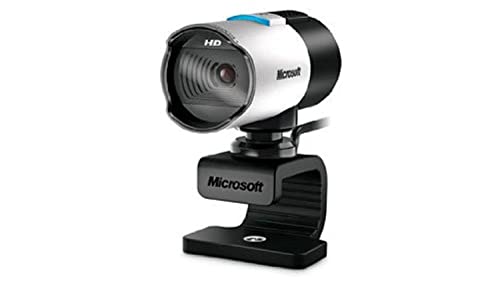
Microsoft's premium LifeCam Studio steps up considerably from the HD-3000, offering full 1080p resolution paired with a high-fidelity wideband microphone that genuinely stands out in this price range. ClearFrame technology delivers smooth, detailed video even in lower-light conditions, while autofocus with advanced high-precision glass lens optics produces sharper imagery than the plastic lens assemblies found in most competitor cameras at this tier. The combination of hardware and optics quality gives the LifeCam Studio a distinctly premium feel for a Microsoft consumer product.
The high-fidelity microphone is the sleeper feature here. Microsoft engineered it specifically for natural, detailed audio reproduction — conversations sound more lifelike than the compressed, slightly hollow audio delivered by most built-in microphones. For Skype users who prioritize voice clarity over video resolution, this camera deserves serious consideration. The 360-degree rotating base provides flexible positioning on desktops and monitors.
Compatibility with Skype is seamless — unsurprisingly, given Microsoft owns both products. Windows Hello isn't supported, and the field of view is narrower than some competitors, but for buyers who primarily care about audio and image quality on a single platform, the LifeCam Studio delivers. Those building out a broader home workspace setup might also want to consider pairing this with one of the options on our best laptops with numeric keypad list for a complete remote work configuration.
Pros:
Cons:
The Anker PowerConf C200 occupies an interesting middle ground in the webcam market — sitting between standard 1080p and the premium 4K tier, its 2K resolution delivers noticeably sharper video than 1080p at a considerably lower price point than the Logitech Brio. AI noise-canceling dual microphones are the headline audio feature, actively suppressing keyboard clicks, fan noise, and ambient room sound to deliver clean, focused voice audio. In our tests, this made a genuine difference in open-plan environments where background noise is a constant issue.
Low-light performance is a clear strength. The built-in low-light correction captures crisp, usable images in dim home office settings without the heavy grain that plagues many cameras in similar conditions. The adjustable field of view gives users control over how much of the background appears on screen — a practical feature for anyone with a busy workspace backdrop. The built-in privacy cover is a thoughtful hardware addition that provides genuine peace of mind when the camera isn't in use.
Anker's build quality has improved substantially in recent product generations, and the C200 reflects that. The mounting clip is secure, the casing feels robust, and the unit stays cool during extended sessions. For remote workers who want a meaningful step up from 1080p without paying 4K prices, the PowerConf C200 is our team's recommended mid-range pick for 2026.
Pros:
Cons:
Poly — formerly Plantronics — has a long history in professional audio and video equipment, and the Studio P5 brings that enterprise pedigree to a personal-use webcam. Optimized 1080p HD optics with an 80-degree field of view frame the subject cleanly without exposing too much of the surrounding room, a deliberate design choice for home office environments where background management is important. Vivid color rendering gives skin tones and scene colors a natural, accurate appearance that compares favorably with the Logitech C920x.
The directional microphone is a standout. It actively focuses on the speaker's voice while rejecting ambient sounds from the sides and rear — a meaningful advantage over omnidirectional alternatives that pick up everything in the room equally. Automatic low-light technology handles typical home office lighting conditions reliably, and the camera carries both Microsoft Teams and Zoom certifications, confirming its suitability for multi-platform professional use alongside Skype.
Setup flexibility is excellent. The tripod mount and monitor clip mean the P5 works equally well on a standing desk, conference room table, or laptop lid. The built-in privacy shutter is a genuine hardware feature rather than a firmware setting, providing an audible click confirmation when engaged. For remote professionals running back-to-back video conferences across multiple platforms daily, the Poly Studio P5 is a compact, capable, and polished option. Those who also game or stream on Xbox may want to compare options in our best webcam for Xbox One guide for cross-platform versatility.
Pros:
Cons:
With seven solid options on the table, narrowing down the right pick comes down to four key factors. Here's what our team focused on during testing — and what any serious buyer should evaluate before committing.
Resolution is the most advertised spec, but it's important to understand what it actually delivers in practice. 1080p Full HD at 30fps is the baseline recommendation for any professional Skype setup in 2026 — 720p is noticeably softer and becomes particularly unflattering on large monitors. The step up to 2K (as in the Anker C200) provides a visible sharpness improvement that's worth considering for mid-range budgets. Full 4K, as in the Logitech Brio, is genuinely impressive but requires USB 3.0 and adequate system resources to run without degrading the calling experience.
Frame rate matters less for Skype calls than for streaming or gaming — 30fps is the standard, and the difference between 30fps and 60fps is imperceptible in typical video conversation. Buyers upgrading from a gaming context, particularly those who've been shopping for accessories across multiple platforms, may already be familiar with this tradeoff from exploring options like those in our best budget laptops for Photoshop guide where display and output specs overlap in similar ways.
A webcam's microphone is often underestimated until it causes problems. Built-in microphones vary dramatically in quality — the Microsoft LifeCam Studio's high-fidelity wideband mic and the Anker C200's AI noise-canceling dual mics represent the top of the class in this roundup. For home users in relatively quiet rooms, most 1080p options deliver acceptable audio. For anyone working from open-plan homes, shared spaces, or environments with persistent background noise (HVAC systems, street traffic), AI noise-canceling becomes a genuine necessity rather than a marketing feature.
Directional microphone design — as seen in the Poly Studio P5 — is an alternative approach: rather than electronically canceling noise after capture, a directional mic physically focuses on sound from a narrow angle, inherently rejecting off-axis ambient noise. Both approaches work; the AI noise-canceling models tend to handle dynamic background environments better, while directional mics perform more consistently in stable conditions.
Lighting is the single biggest variable that separates a good Skype call from a bad one. Most home and office environments don't offer ideal lighting conditions — overhead fluorescents, windows causing backlighting, or simply dim rooms are all common. Auto-exposure technology across the tested models varies significantly in effectiveness. Logitech's RightLight 3 in the Brio 4K is the most capable system we've tested, handling extreme backlighting cases that cause other cameras to silhouette the subject entirely. The standard HD light correction in the C920x handles typical low-light scenarios well but struggles with strong directional backlighting. Any buyer setting up a camera facing a window should prioritize advanced auto-exposure over raw resolution.
Standard webcams offer roughly 60–78 degrees of diagonal field of view. The Logitech C930e's 90-degree extended view is the widest here and significantly changes how the camera is used — it becomes viable for capturing multiple people or whiteboards, not just a single speaker. The Logitech Brio's adjustable presets (65°, 78°, 90°) offer the most flexibility. For single-person Skype calls from a desk, 65–78 degrees is typically the right range; wider views show more background clutter without adding useful context.
Mounting deserves consideration as well. Universal monitor clips are the standard and work reliably on most flat-panel monitors and laptop lids. The Poly Studio P5's additional tripod mount is worth having for buyers who use the camera in multiple locations or on standing desks where monitor mounting isn't practical. A stable mount is non-negotiable — a wobbling camera during video calls is immediately distracting and undermines an otherwise strong setup.
For most Skype users in 2026, Full HD 1080p at 30fps is the optimal resolution. It delivers sharp, professional video without the bandwidth demands of 4K, which can cause quality degradation on typical home internet connections. The Logitech C920x and Poly Studio P5 both deliver excellent 1080p output. Buyers with premium setups and strong internet connections can step up to the Logitech Brio 4K for the sharpest available image.
Skype works with virtually any USB webcam — no certification is technically required for basic functionality. However, Skype-certified cameras like the Logitech C930e have been tested to ensure compatibility with Skype's enhanced video features and automatic configuration. In practice, major brands like Logitech, Microsoft, Anker, and Poly all perform reliably with Skype without any setup required beyond plugging in the camera.
For most home users making personal Skype calls, a quality built-in microphone — such as the one in the Microsoft LifeCam Studio or the AI noise-canceling system in the Anker PowerConf C200 — delivers fully adequate audio. Professional users conducting business calls or interviews benefit from a dedicated microphone, particularly in environments with significant background noise. The Poly Studio P5's directional microphone approaches dedicated mic quality for most conversational use cases.
Low-light correction is critically important for anyone who doesn't control their lighting environment. Most home offices and living rooms have inconsistent or suboptimal lighting throughout the day, and without effective auto-exposure, the camera image becomes dark, grainy, or washed out. Our team ranks low-light performance as the second most important factor after resolution. The Logitech Brio 4K's RightLight 3 is the benchmark here, followed closely by the C920x's HD light correction. Budget cameras like the Microsoft HD-3000 show visible limitations in low-light conditions.
Even when displaying at 1080p, a 4K source provides noticeably sharper results because the camera captures more raw detail before downsampling. Fine details in facial features, hair, and clothing textures appear significantly crisper. Additionally, 4K enables effective digital zoom without the quality degradation that affects 1080p cameras — the Logitech Brio's 5x digital zoom produces usable results precisely because of its 4K sensor. For buyers upgrading from 1080p on a large monitor, the quality improvement is immediately visible.
Yes, for 4K webcams it matters significantly. The Logitech Brio 4K requires a USB 3.0 port to output at full 4K resolution — plugging into a USB 2.0 port limits output to 1080p. All other cameras in this roundup function fully on USB 2.0. Our team recommends checking the available ports before purchasing a 4K model, particularly on older machines or slim laptops that may have limited USB 3.0 availability. USB-C adapters with USB 3.0 protocol work correctly with the Brio.


About Editorial Team
The DigiLabsPro editorial team covers cameras, lenses, photography gear, and creative technology with a focus on helping photographers make informed buying decisions. Our reviews and guides draw on hands-on testing and research across a wide range of equipment, from entry-level beginner kits to professional-grade systems.
You can get FREE Gifts. Or latest Free phones here.
Disable Ad block to reveal all the info. Once done, hit a button below
