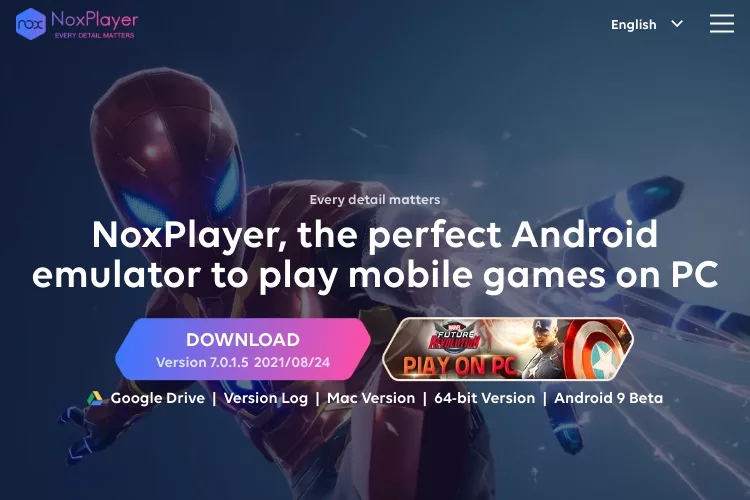
To download Lookout antivirus on Windows PC, you install an Android emulator — Lookout Security & Antivirus is a mobile-first application that runs on Windows through platforms such as BlueStacks or NoxPlayer. This guide, part of our comprehensive security software buying guide, walks you through every step from choosing the right emulator to configuring your protection for maximum effectiveness.

Lookout Security & Antivirus is a trusted mobile security application with over 100 million downloads worldwide. For Windows users who manage sensitive files, client data, or professional photography archives, running Lookout through an Android emulator provides an additional layer of threat detection alongside your existing desktop antivirus. Whether you are securing a home workstation or a field laptop, this setup delivers real value.
This guide covers installation for new users and advanced configuration for power users, addresses common myths, and breaks down Lookout's pricing tiers so you can make an informed decision before committing to a plan.
Contents
Lookout Security & Antivirus is an Android-based mobile security platform that combines antivirus scanning, identity protection, and device management in a single application. On Windows, it operates inside an Android runtime environment provided by an emulator, giving you access to its full feature set without purchasing a separate Android device.

Key capabilities include:
Before you attempt to download Lookout antivirus on your Windows PC, confirm your system meets the requirements below. Underpowered hardware is the most common cause of installation failure.
| Requirement | Minimum | Recommended |
|---|---|---|
| Operating System | Windows 7 64-bit | Windows 10 or 11 64-bit |
| RAM | 4 GB | 8 GB or more |
| Storage | 5 GB free space | 10 GB free space |
| Processor | Intel/AMD dual-core | Quad-core with virtualization enabled |
| Graphics | DirectX 9 compatible | Dedicated GPU |
| Internet Connection | Broadband required | Stable 10 Mbps or faster |
Enable hardware virtualization (Intel VT-x or AMD-V) in your BIOS settings before installing any emulator. This single step resolves the majority of setup errors users encounter.
The standard installation path suits the majority of users. Follow these steps in sequence:
If your laptop runs hot or sluggish under emulation load, optimize your system before installation. Our guide on how to clean your laptop to make it faster provides a practical pre-installation checklist that measurably improves emulator performance.
Users with security expertise or those managing multiple devices can take additional steps beyond the standard setup:
For users building a security-focused workstation, the guide to the best laptops for pentesting highlights hardware configurations that handle virtualization-heavy workloads without bottlenecking under sustained use.
Windows Defender monitors your Windows file system and native processes. Lookout, running inside an Android emulator, scans the Android runtime environment — a completely separate system with its own vulnerabilities and threat vectors. The two tools operate in parallel without conflict. Running both simultaneously is layered defense, not redundancy. Each application protects an attack surface the other cannot see.
This misconception prevents many users from exploring mobile security tools on desktop. Reputable emulators such as BlueStacks and NoxPlayer are sandboxed environments. Applications running inside the emulator cannot access your Windows file system unless you explicitly enable shared folder access. Keeping that feature disabled eliminates the concern entirely.
Pro Tip: Disable the shared folder feature in your emulator's settings unless you have a specific operational reason to use it — this keeps your Windows file system fully isolated from the Android runtime.
The intersection of security software and digital privacy is a broader conversation worth having. The article on whether security cameras are an invasion of privacy provides useful context on how monitoring technology balances protection against personal privacy — relevant reading for any user evaluating security tools.
Complete these tasks immediately after installing Lookout to ensure full protection from the first session:
Lookout requests several device permissions during initial setup. Grant the following for complete protection coverage:
Schedule automated scans during off-peak hours. Avoid running scans during active image editing sessions or large file exports — the emulator competes for CPU and memory resources and will slow rendering performance. Early morning scheduling works well for most creative professionals.
A one-time installation does not constitute a security strategy. Adopt these habits to keep your protection current and effective:
Photographers and digital creatives frequently store client data, licensing agreements, and payment records on the same machine used for editing. This makes desktop security especially critical. Lookout's breach monitoring watches for email addresses linked to photography platforms, cloud storage services, and e-commerce accounts.
Run Lookout scans during file transfers or cloud sync operations to catch threats introduced through third-party presets, plugins, or downloaded assets. Keep the emulator open in the background during long editing sessions — resource usage is minimal when Lookout operates in idle scan mode between scheduled checks.
Lookout offers a free tier with core protection and a paid Premium plan with expanded capabilities. Review the comparison before deciding which plan fits your needs.
| Feature | Free | Premium |
|---|---|---|
| Malware and virus scanning | Yes | Yes |
| Safe browsing | Yes | Yes |
| Device locator (map view) | Yes | Yes |
| Breach alerts | Limited | Full monitoring |
| Identity theft protection | No | Yes |
| Privacy advisor (full audit) | Basic | Advanced |
| Remote lock and wipe | No | Yes |
| Priority customer support | No | Yes |
For personal use and standard threat protection, the free tier covers the essentials without a subscription. Premium becomes a justified expense when you store sensitive client data, financial records, or proprietary creative assets on your workstation. Identity theft protection and full breach monitoring deliver measurable value for freelancers and studio owners who cannot absorb the cost of a data breach incident.
Evaluate your risk profile honestly before upgrading. If your primary goal is to download Lookout antivirus on your Windows PC and monitor for common malware threats, the free version delivers that without ongoing cost.
No. Lookout Security & Antivirus is built for the Android operating system and does not have a native Windows application. An Android emulator such as BlueStacks or NoxPlayer is required to run it on a Windows PC. The emulator creates a complete Android environment that allows the application to function exactly as it does on a smartphone or tablet.
The performance impact depends on your hardware. On systems with 8 GB of RAM and a modern quad-core processor, the emulator runs in the background with minimal overhead. On older machines with 4 GB of RAM, you may notice reduced responsiveness during active scans. Closing unused browser tabs and background applications before launching the emulator keeps performance acceptable on mid-range hardware.
The free version provides malware scanning, safe browsing, and basic device location — sufficient for users with standard security requirements. If you process client payments, store personal identification data, or manage cloud accounts containing sensitive content, upgrading to Premium adds identity monitoring and advanced breach alerts that justify the cost for professional users.


About Editorial Team
The DigiLabsPro editorial team covers cameras, lenses, photography gear, and creative technology with a focus on helping photographers make informed buying decisions. Our reviews and guides draw on hands-on testing and research across a wide range of equipment, from entry-level beginner kits to professional-grade systems.
You can get FREE Gifts. Or latest Free phones here.
Disable Ad block to reveal all the info. Once done, hit a button below
