Strong wedding photography client communication is the single biggest factor separating a smooth, memorable shoot from one that unravels before the first dance. The couples who walk away thrilled are almost always the ones whose photographers talked with them thoroughly, early, and often. If you're sharpening your overall craft alongside your client skills, the photography articles section on DigilabsPro covers everything from lighting to post-processing fundamentals.
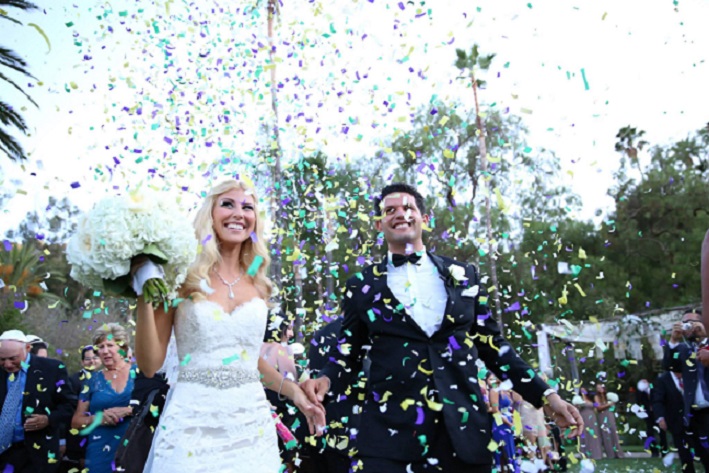
Wedding photography is one of the most unforgiving genres in the industry. The ceremony won't pause for a missed cue. The first look won't happen twice. If you show up without knowing where the bridal suite is, who the maid of honor is, or whether the couple wants candids during dinner service, you're already behind. Good communication fills every one of those gaps before the day even starts.
This guide breaks down exactly how to build a communication system that works, what separates beginners from seasoned professionals, the real situations where your words — or your silence — determine the quality of your final images, and the myths and mistakes you need to leave behind. By the end, you'll have a clear, actionable picture of what great client communication looks like and how to put it into practice starting with your next inquiry.
Contents
Most photographers leave communication to chance. They answer questions when asked and hope the couple fills in the rest. That approach works until it doesn't — and on a wedding day, there's no margin for error. A deliberate, repeatable system takes the guesswork out of the process for you and your clients, every single time.
The client questionnaire is the foundation of your entire communication process. Send it four to six weeks before the wedding and make it thorough. Ask about the ceremony and reception venues, the order of events, family groupings for formals, any cultural or religious traditions, and the couple's top five must-have shots. Ask whether anyone has specific requirements — an elderly grandparent who can't walk long distances, a sibling who needs to be kept out of certain frames, a surprise element planned for later in the evening.
You're not being intrusive by asking all of this. A well-crafted questionnaire signals that you take your job seriously, and it generates answers you genuinely need before the shoot. Keep the form to one focused page if possible — long questionnaires get abandoned halfway through. Ask only what will change what you actually do on the day.
Your communication shouldn't be reactive. Build a proactive schedule and stick to it regardless of whether the couple has reached out:
Pro tip: Always follow up a phone call or in-person meeting with a brief email summary — it creates a written record and prevents "I thought you said…" disputes weeks later.
Email works well for formal documentation — contracts, questionnaires, timelines, and invoices. For streamlined client management, platforms like HoneyBook or Dubsado keep all messages and paperwork in one place, which clients appreciate. Whatever tools you choose, be consistent. Clients shouldn't have to dig through three different platforms to find your last message. Set clear expectations about your response time — 24 to 48 hours is the professional standard — and honor it without exception.
The gap between a photographer who's shot a handful of weddings and one who's shot hundreds isn't only about technical skill. It's about the systems they've built — and communication systems are the difference clients notice most directly.
Beginners tend to communicate in bursts. There's a flurry of messages when the contract is signed, then silence until the week of the wedding. They answer questions when asked but rarely ask their own. They show up on the day knowing the time and the address — and not much else. This approach puts the entire cognitive load on the couple, who are already managing a hundred other details. It also leaves the photographer vulnerable to entirely preventable surprises. If you're earlier in your career, reading through how to find your ideal clients as a wedding photographer pairs directly with communication skills — the right clients make every conversation easier and more productive.
Experienced wedding photographers treat communication as a service in itself, not overhead. They send questionnaires without being prompted. They schedule consultation calls as a standard part of onboarding. They confirm logistics multiple times — not out of anxiety, but because they know one overlooked detail can cascade into a series of missed shots. They also listen actively during those calls, gathering not just information but an understanding of the couple's personalities, what makes them comfortable in front of a camera, and what emotional moments to anticipate. That understanding shapes every portrait session and every candid frame you capture during the ceremony.

Here are the three situations where wedding photography client communication has the most direct and measurable impact on your final images and your client experience.
Every couple has a list of shots they won't compromise on — even if they've never articulated it out loud. The ring exchange close-up. A three-generation photo with the grandparents. The flower girl's expression during the processional. Your job before the wedding is to surface that list and work it into your shooting plan. If you don't ask, you won't know. And if you don't know, you'll spend the reception wondering whether you got everything instead of being certain you did.
Keep the formal shot list to fifteen to twenty groupings maximum. Any more and you burn through natural light and golden hour checking boxes instead of making images. Set that expectation clearly with your clients early — frame it as protecting the quality of their portraits, not limiting their requests. Clients respond well to that framing because it puts their interests at the center.
Family formals are where communication breakdowns cause the most visible damage. You need to know in advance who belongs in which groupings and — critically — whether any interpersonal situations require sensitivity. Divorced parents who can't stand together. An estranged sibling. A new partner that some relatives haven't met yet. You surface all of this in your pre-wedding consultation, not while everyone is standing in the sun in formal wear waiting for you to figure it out.
Designate a family point person — usually the maid of honor or best man — who knows where everyone is and can round up the right people for each grouping. Communicate this plan before the day so that person arrives ready to help. It can cut your entire formal session time in half and keeps energy high for the portraits that follow.
Even with thorough preparation, weddings throw surprises. The ceremony runs forty minutes over. The reception hall has unflattering overhead lighting that wasn't visible in the venue's marketing photos. The outdoor portrait window gets compressed by the catering timeline. Photographers who handle these moments gracefully are the ones who communicated enough beforehand to have flexibility built in. When you know the couple's true priorities, you can make real-time decisions — protect the golden-hour couple session and skip the extended cocktail hour formals instead. That kind of agile judgment only comes from the conversations you had weeks before. It's worth noting that your day-of preparation extends to every professional detail — see what photographers should wear at weddings to round out your readiness.
A few persistent myths keep photographers from communicating as well as they could. Each one sounds reasonable until you examine it closely.
Most couples have scrolled through thousands of wedding photos on Pinterest and Instagram. They've bookmarked images they love. But "I want photos like this" is not a creative brief. What they've saved online was shot in a different location, with different people, in entirely different light. Your job is to translate visual inspiration into a concrete shooting plan — and that translation happens through conversation, not assumption. Ask them what specifically they loved about each saved image. Usually the answer reveals something precise: the soft backlight, the candid emotion, the minimal posing. Now you have something you can actually execute.
Your contract sets legal boundaries. It does not replace communication. A contract that specifies "eight hours of coverage" doesn't tell you whether the couple wants that coverage to begin at getting-ready or at the ceremony. "Final gallery delivery within eight weeks" doesn't tell them what editing style to expect or how many selects they'll receive. Contracts protect you legally; communication creates the trust that makes the contract largely irrelevant — because clients who feel genuinely informed and cared for almost never escalate to disputes in the first place.
This is the most dangerous myth in the business. The wedding day is not the time to gather information — it is the time to execute. Every minute you spend learning something you should have known already is a minute you are not making images. According to established principles of wedding photography, thorough pre-event preparation is the defining discipline of the craft. Photographers who "figure it out on the day" regularly miss formals because they didn't know who needed to be where, lose the first look because they didn't confirm the timing, or get blocked by a venue restriction nobody mentioned. The day itself is where preparation pays off — not where it happens.
Understanding what not to do is just as valuable as knowing what to do. These are the failures that show up repeatedly in client complaints and online reviews — and every single one is preventable.
The signed contract is not the finish line. It's the starting line of your professional relationship. Photographers who go quiet after the paperwork is signed leave clients feeling abandoned at the exact moment their wedding planning is ramping up. The couple is managing vendors, timelines, seating charts, and family politics — and radio silence from their photographer adds another source of anxiety. Check in proactively. It doesn't require long emails. A brief "Just checking in as your date gets closer — let me know if anything has changed" takes two minutes and reinforces that you are engaged, organized, and invested in their day.
Photographers speak a specialized language that most clients don't share. Phrases like "I'll shoot wide open during the ceremony," "we'll use Rembrandt lighting for the formals," or "your gallery will be delivered as a Lightroom catalog" mean nothing to most couples. When you communicate in jargon, clients nod along without understanding — and feel confused or quietly misled when results don't match their unarticulated expectations. Translate everything into plain language. "Wide open" becomes "I'll blur the background so you stand out sharply." "Rembrandt lighting" becomes "a classic technique that's very flattering for portraits." Clear language builds confidence. Jargon quietly erodes it.
| Communication Mistake | Why It Hurts | The Fix |
|---|---|---|
| Going silent after booking | Clients feel abandoned; anxiety builds toward the day | Schedule proactive check-in emails at defined milestones |
| Skipping the pre-wedding call | You miss critical logistics details and personality cues | Make a 30-minute consultation mandatory for every booking |
| Vague gallery delivery timelines | Triggers repeated "where are my photos?" messages | State the exact delivery window in writing at time of booking |
| Using photography jargon | Clients agree without understanding; feel misled later | Replace every technical term with a plain-language explanation |
| No written formal shot list | Missed family groupings and post-wedding disputes | Create and confirm a written shot list one week before the date |
| Skipping the day-after thank-you | Misses the single highest-leverage moment for referrals | Send a short, genuine thank-you message within 24 hours |

The photographers who build sustainable wedding businesses are the ones who treat communication as a core deliverable — not background noise. Your images are the product. Your communication is the experience. Couples book you because of your portfolio. They refer you because of how you made them feel throughout the entire process.
Start from the moment they inquire. Respond to the first message within a few hours to establish your professionalism. After booking, follow a structured communication timeline that includes milestone check-ins and a formal consultation call four to six weeks before the wedding date.
Cover venue details, ceremony and reception timelines, family groupings for formals, the must-have shot list, any cultural or religious traditions that affect the schedule, logistical constraints, and the on-site coordinator's contact information. Keep it focused — only ask what will actually change your shooting plan or preparation.
Follow up once after 48 hours, then again via a different channel after 72 hours. Keep your tone warm and low-pressure. If a client is consistently unresponsive, address it directly during your consultation call — sometimes clients don't realize how much the information you're requesting actually affects their photos.
Yes, especially once you're booking more than a few weddings per year. Platforms like HoneyBook or Dubsado centralize contracts, questionnaires, invoices, and all client messages in one place. They reduce the chance of anything falling through the cracks and give every client a consistent, professional experience from first inquiry through gallery delivery.
Directly and significantly. Couples refer photographers they trusted and felt supported by — not just the ones with impressive portfolios. Strong wedding photography client communication builds that trust at every stage. When couples feel informed, prepared, and genuinely cared for throughout the process, they talk about it to every engaged friend they know. Those conversations generate bookings that no advertising budget can replicate.


About Editorial Team
The DigiLabsPro editorial team covers cameras, lenses, photography gear, and creative technology with a focus on helping photographers make informed buying decisions. Our reviews and guides draw on hands-on testing and research across a wide range of equipment, from entry-level beginner kits to professional-grade systems.
You can get FREE Gifts. Or latest Free phones here.
Disable Ad block to reveal all the info. Once done, hit a button below
