Nearly 30% of couples report dissatisfaction with their wedding photography, according to consumer research in the event services industry — and the root cause almost always traces back to wedding photographer mistakes to avoid that were entirely within the photographer's control. Your images are the one wedding deliverable that outlasts the flowers, the food, and the venue itself, and understanding what separates a photographer who delivers flawlessly from one who leaves a couple devastated means the difference between a thriving referral-driven career and one that collapses after a single catastrophic booking.

Wedding photography is unforgiving by nature — there are no retakes, no second chances on a first kiss, and the margin for error is essentially zero once the ceremony begins. Whether you are shooting your first wedding or your hundredth, the same core blunders derail photographers at every experience level, and clients rarely offer second chances after a major failure. The mistakes covered in this guide are not theoretical; they are drawn from real patterns that cost photographers clients, deposits, and hard-earned five-star reviews.
Before you book your next client, walk through each of these critical pitfalls and audit whether any describe your current approach. Building your sessions around proactive communication with your couples remains one of the most powerful safeguards against nearly every error on this list — a fact that experienced wedding photographers consistently affirm.
Contents
The day of the wedding concentrates your most consequential decisions into a compressed, unforgiving timeline, and the most damaging wedding photographer mistakes to avoid cluster right here. A single preventable lapse during the live shoot destroys deliverables that can never be recreated.
Arriving exactly on time is effectively arriving late. You need at minimum 45 minutes before any scheduled coverage begins to handle the following tasks properly:
A photographer who rushes in with no buffer immediately signals to the couple and venue staff that professionalism is already slipping. Build 45 minutes into your contract language as your official arrival time so it is never negotiable.
Every wedding contains a handful of genuinely unrepeatable moments: the first kiss, the ring exchange, the first look, the parent reactions during the processional. Missing even one of these because you were repositioning for a creative angle is a failure with no acceptable justification. Your primary responsibility is documentation before artistry — nail the moments first, then pursue editorial creativity in the spaces between.
Pro tip: Position yourself for the first kiss before the vows even begin — by the time the officiant says "you may now kiss," it is already too late to move to a clean angle.
Understanding why real professionals fail — not in hypotheticals but in documented client disputes — makes abstract warnings concrete and forces you to examine your own blind spots with uncomfortable honesty.
The following patterns appear repeatedly in wedding photography industry disputes and client reviews across multiple booking platforms, and each one is entirely preventable with basic professional process:
| Mistake | Root Cause | Consequence |
|---|---|---|
| No backup camera body | Equipment overconfidence | Entire event lost on gear failure |
| Skipped pre-wedding consultation | Poor workflow discipline | Wrong shot list, missed family groupings |
| Inconsistent editing style | No style guide or preset workflow | Gallery feels disjointed, triggers client disputes |
| Overpromised delivery timeline | Eager booking process | Negative reviews, partial refund demands |
| No written contract | Casual booking habits | No legal recourse when disputes arise |
| Ignored venue restrictions | Failure to scout or communicate | Shot blocked or photographer removed mid-ceremony |
Every failure in this table shares a common thread: none required extraordinary talent to prevent — only disciplined, repeatable habits applied consistently before the shooting day begins.
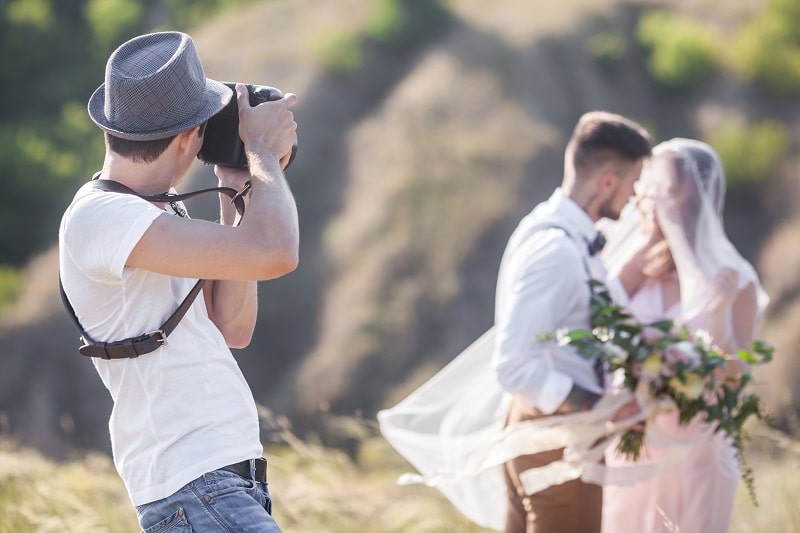
The most reliable way to eliminate day-of errors is to front-load your professional process into the weeks before the wedding date arrives. A structured pre-wedding prep routine removes the variables that cause failures precisely when the stakes are highest and your stress level is already elevated.
Every booking should include at least one in-depth consultation — ideally two weeks before the wedding — covering each of the following items without exception:
Your shot list is not a creative limitation — it is insurance against the blank-mind panic that hits photographers during emotionally charged, chaotic reception moments. Build it collaboratively with the couple, organize it chronologically by timeline segment, and share it with every member of your team before the day.
The decision to work alone or bring a second shooter is one of the most consequential choices you make during the booking process, and it carries direct implications for your ability to avoid the wedding photographer mistakes to avoid that stem from coverage gaps.
Solo coverage is appropriate in a limited set of circumstances where the scope genuinely matches one photographer's reach:
Even in these cases, solo work demands a substantially higher level of personal preparation and gear redundancy. Experienced professionals who manage this successfully share their approach in detail on how to be your own second shooter at weddings.
Anything beyond an intimate elopement benefits significantly from a second perspective and a second set of hands. The specific moments where solo coverage consistently produces unacceptable gaps include:
Warning: Promising simultaneous coverage of the groom's preparation and the bride's details when you are shooting solo is an overpromise that will always produce delivery gaps your client will notice and resent.

Several widely repeated beliefs among less-experienced photographers produce consistent, predictable failures on the wedding day. Debunking these directly is one of the fastest paths to eliminating the most persistent wedding photographer mistakes to avoid in your practice.
Your equipment is your sole tool for fulfilling a contractual obligation, and neglecting its maintenance and redundancy is as unprofessional as a surgeon operating without sterile instruments. Equipment failures at weddings are not rare events — they are predictable outcomes for photographers who skip a disciplined gear protocol before every booking.
Not every improvement requires a major process overhaul or an expensive new workflow system. Several of the most common errors disappear immediately once you adopt specific, small professional habits that require minimal effort but produce outsized results in your final delivery and your client satisfaction scores.
Failing to bring a backup camera body is the most catastrophic single mistake. A primary body failure with no backup means the entire event goes undelivered, and no amount of skill or post-processing capability compensates for having no functional equipment when the ceremony begins.
Arrive at minimum 45 minutes before your scheduled coverage begins. This buffer gives you time to scout lighting conditions, speak with the venue coordinator, test your gear in the actual shooting environment, and absorb any last-minute timeline changes without rushing or cutting corners.
Yes, without exception. A written contract protects both you and your client by clearly establishing deliverables, turnaround timelines, cancellation terms, and the specific scope of your coverage. Working without one leaves you with no legal recourse when disputes arise, and they do arise.
Carry at minimum four times the storage you expect to use across the entire event, distributed across multiple individual cards. Never rely on a single card for the whole day, and always use dual-slot camera bodies with simultaneous write enabled so every image receives an in-camera backup at capture.
No. Shooting a full wedding with a single camera body and no backup is an unacceptable professional risk that your clients deserve to know about in advance. Camera bodies fail — autofocus systems lock up, shutters malfunction, sensor errors occur — and a body failure with no backup destroys the entire delivery.
Scout the venue in advance at the same time of day as the reception when possible. Identify zones with problematic mixed light sources and plan your flash choices and lens selections accordingly. Never assume auto white balance will resolve mixed tungsten and LED sources across a full gallery — use a custom white balance setting or a carefully tested preset.
Communicate honestly with the couple during the delivery review rather than hoping they will not notice the gap. Offering a complimentary portrait session to re-create missed moments, or providing additional editing work as compensation, demonstrates genuine professionalism and often prevents a negative review from escalating into a formal dispute.
Every wedding photographer mistake on this list is preventable, and eliminating them requires no extraordinary talent — only consistent professional process, disciplined gear habits, and a genuine commitment to honest communication with your clients before, during, and after every booking. Start today by auditing your current workflow against the checklists in this guide, identify the single area where your process is most exposed, and build a concrete plan to close that gap before your next wedding. Your clients are trusting you with memories that cannot be recreated, and that responsibility deserves the most rigorous standard you can bring to every shoot.


About Editorial Team
The DigiLabsPro editorial team covers cameras, lenses, photography gear, and creative technology with a focus on helping photographers make informed buying decisions. Our reviews and guides draw on hands-on testing and research across a wide range of equipment, from entry-level beginner kits to professional-grade systems.
You can get FREE Gifts. Or latest Free phones here.
Disable Ad block to reveal all the info. Once done, hit a button below
