More than 500,000 same-sex couples have married in the United States alone since marriage equality became federal law, yet studies consistently show that fewer than 1 in 10 photography studios actively specializes in LGBTQ+ wedding coverage. Our team recognized this gap early, and it became the primary reason we launched a dedicated same-sex wedding photography brand alongside our existing studio. The decision reshaped how we approach everything from visual identity to client communication. This piece, part of our coverage in photography articles, lays out the complete story behind that choice.
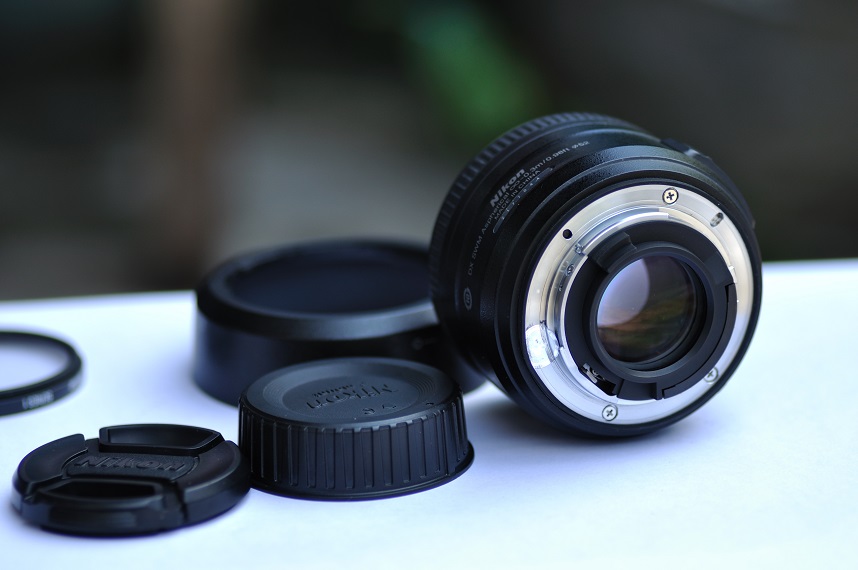
When our team first began documenting same-sex weddings under our general studio, clients frequently mentioned feeling out of place when reaching out to mainstream wedding photographers — studios that used "bride and groom" language by default, posed couples in traditional opposite-sex formations, and built portfolios that simply did not reflect LGBTQ+ relationships. Our existing brand was inclusive in spirit, but it lacked the dedicated identity that communicates belonging before a single conversation takes place. A separate brand gave us the ability to signal, immediately and unmistakably, that we understand and celebrate these love stories on their own terms.
The process involved rethinking nearly every touchpoint — from the name and logo to the gear our photographers carry on the day of the event. We drew on insights from our experience documenting what wedding and portrait photographers consistently identify as the most overlooked dimension of the craft: genuine emotional connection. What follows is an honest account of what worked, what we got wrong at first, and what any photography team should consider before taking a similar step.
Contents
Within the first few months of launching the dedicated same-sex wedding photography brand, inquiry volume from LGBTQ+ couples increased noticeably — and more importantly, the tone of those inquiries shifted considerably. Couples wrote to us with less guardedness, fewer qualifying questions about whether we "handle" same-sex ceremonies, and more enthusiasm about sharing the specific details of their planned events. That change in emotional register told us something important: authentic, purpose-built branding reduces friction before the first phone call is ever made.
The early indicators that validated our direction included:
Our team noticed that bookings through the dedicated brand skewed toward full-day coverage packages rather than the shorter sessions that had been common with our general brand. Couples investing in a photographer who specifically understands their experience tend to invest more fully in documenting the entire day, and this observation aligned with broader industry data suggesting that niche studios command higher average package values than general competitors. We also found that clients booked further in advance, giving our photographers more preparation time and reducing last-minute scheduling pressure substantially. Those structural differences in booking behavior confirmed that the brand was attracting a more committed and engaged client from the very beginning.
The consultation process for our dedicated brand differs from our general studio in several meaningful ways. Our team uses intake forms that avoid gendered assumptions entirely — no "bride" or "groom" fields, no prompts that presuppose roles within the couple, and no language that borrows from a traditional wedding framework that may not apply. Inclusive language is not a surface-level gesture — it is a structural commitment that runs through every document, template, and client interaction our team manages.
Our consultation calls tend to run longer as well, because we prioritize learning about each couple's specific vision rather than defaulting to a standard photography checklist. Topics we always cover include:
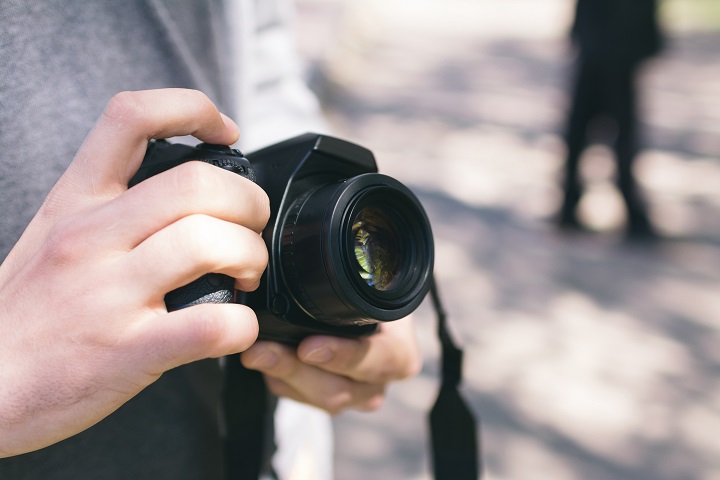
Posing two people of the same gender requires a different visual vocabulary than the conventional opposite-sex poses that dominate most wedding photography training materials. Our photographers work from a compositional framework focused on emotional connection, natural interaction, and each couple's own physical dynamic rather than assigned gender roles. The core principles outlined in our guide to capturing genuine expressions in couple photography underpin how our team coaches body language and emotional presence during shoots. The goal is always images that feel like the couple rather than images that look like generic wedding photos with different people inserted — and achieving that requires deliberate practice, not just goodwill.
Our team spent several months developing a brand aesthetic that felt distinct from both our main studio and from the broader wedding photography market, which still skews heavily toward pastel and softly romantic visual codes. The new brand uses a bolder color palette, stronger typographic choices, and a website layout that prioritizes portfolio imagery over pricing and package structure. Visual identity communicates values before anyone reads a single word, and every design decision reflects a deliberate commitment to celebrating same-sex love stories with confidence rather than as a secondary offering. The photography itself follows the same philosophy: richer contrast, more dynamic framing, and a documentary sensibility that honors real moments over posed formality.

On the technical side, our gear selection for this brand emphasizes versatility in low-light ceremony environments and the capacity to document candid moments without intrusion. The following table outlines the primary equipment categories we consider essential for same-sex wedding coverage and explains why each matters in this specific context.
| Equipment Category | Our Recommendation | Why It Matters for Same-Sex Weddings |
|---|---|---|
| Primary Camera Body | Full-frame mirrorless with dual card slots | Redundancy is critical at events where re-shoots are impossible and intimate moments cannot be recreated |
| Low-Light Prime Lens | 50mm or 85mm f/1.4 | Indoor ceremonies and intimate receptions often present unpredictable, low ambient lighting conditions |
| Telephoto Zoom | 70-200mm f/2.8 | Allows unobtrusive documentation of emotional moments from a respectful and non-intrusive distance |
| Off-Camera Flash System | Wireless triggers with TTL support | Delivers consistent exposure across diverse venue lighting without disrupting the event atmosphere |
| Backup Body | Same-system crop-sensor body | Provides effective reach extension at ceremonies with restricted photographer movement areas |
Understanding how lighting fundamentals apply across different environments is foundational to performing consistently across the varied venues where same-sex weddings are held — from sunlit outdoor gardens to dimly lit historic buildings with strict restrictions on flash photography.
When our team first launched the dedicated same-sex wedding photography brand, the operational footprint was intentionally minimal — one primary photographer, a focused website, and a small but carefully curated portfolio. Keeping early overhead low while proving the concept was a deliberate choice, and it mirrors the foundational advice we share through resources like our overview of starting a photography business. The core principle applies equally to general and niche studios: validate market demand before committing to significant fixed costs.
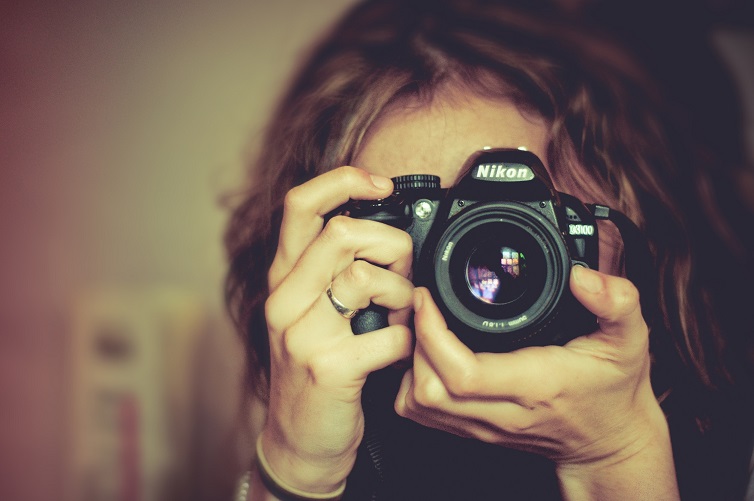
As the brand grew, our team added a second primary photographer, a dedicated social media presence managed separately from our main studio accounts, and a refined inquiry workflow that routes same-sex wedding contacts exclusively to the specialist brand. Scaling a niche brand requires resisting the temptation to dilute the focus — every addition should reinforce rather than broaden the positioning. The editorial standards for portfolio updates became stricter over time, not looser, because the brand's reputation rests on being genuinely excellent within a defined space rather than broadly adequate across a wide range of wedding styles and contexts.
This is the objection our team heard most frequently when discussing the concept with other photographers, and it reflects a fundamental misunderstanding of how niche markets function at a business level. A dedicated same-sex wedding photography brand does not need to capture a large percentage of all weddings — it needs to become the clear preferred choice within a well-defined community. Word-of-mouth referrals within close-knit LGBTQ+ social networks travel fast and carry high trust, meaning a single excellent client experience can generate multiple future bookings without any paid promotion. Depth of penetration within a niche almost always outperforms shallow reach across a broad market for boutique service providers operating at premium price points.
Specialization does not mean exclusion, and our experience demonstrates this clearly. The dedicated same-sex wedding photography brand operates alongside our general studio, which continues serving all couples without restriction. The existence of a specialized brand does not signal that opposite-sex couples are unwelcome at the main studio — it signals that LGBTQ+ couples have a home built specifically around their experience and needs. Photography businesses that operate multiple brands report minimal client confusion, provided the brands maintain clearly distinct visual identities, separate websites, and separate inquiry channels. Maintaining that clarity is a matter of operational discipline rather than market restriction.
The advantages our team has experienced from maintaining a dedicated same-sex wedding photography brand are concrete and measurable rather than aspirational talking points.
Running two photography brands is genuinely more demanding than running one, and our team would not pretend otherwise to anyone considering a similar move. The operational costs include maintaining two websites, two social media presences, two sets of marketing materials, and two inquiry management workflows that must stay clearly separated. Photographers working under the dedicated brand require ongoing education — not just technical training but cultural competency that deepens with deliberate effort and real-world experience over time. The investment is substantial, and it takes a sustained commitment of at least several booking seasons before the returns become clearly positive and self-reinforcing. Any photography team considering this model should build the operational infrastructure before scaling the marketing reach, not the reverse.
A dedicated brand communicates specialization immediately and authentically, whereas adding inclusive language to a general studio's materials often reads as an afterthought to couples who have learned to read these signals carefully. Our experience shows that a purpose-built same-sex wedding photography brand generates significantly higher inquiry-to-booking rates from LGBTQ+ clients because it removes the uncertainty couples feel when approaching a studio whose portfolio primarily showcases opposite-sex wedding work.
Traditional wedding photography training materials are built almost entirely around gendered pose hierarchies that do not translate directly to same-sex couples. Our photographers work from a compositional framework focused on emotional connection, natural interaction, and each couple's own physical dynamic rather than assigned gender roles. The result is imagery that reflects the couple's genuine relationship rather than an imposed visual convention borrowed from a context that simply does not apply.
Financial viability depends significantly on how the operational structure is managed during the launch phase. Our team kept the dedicated brand lean at the outset — shared back-end systems, a focused portfolio, and organic marketing through community relationships — which held costs low during validation. The premium pricing that a specialized same-sex wedding photography brand supports means that a relatively small number of bookings covers a substantial portion of ongoing operational overhead, making viability achievable without high booking volume.
Low-light adaptability is the skill our team considers most critical, because a significant proportion of same-sex weddings take place in intimate, atmospheric venues where flash use is restricted or would be inappropriate. Mastering natural and available light allows photographers to document these events honestly and beautifully without disrupting the carefully crafted atmosphere of the celebration. This technical foundation combines with the cultural competency and interpersonal skills that define what the brand stands for at its best.
Building a dedicated same-sex wedding photography brand has been one of the most strategically and creatively rewarding decisions our team has made, producing stronger client relationships, more meaningful photographs, and a clearly defined place in a market that was genuinely underserved. Any photography studio serious about doing this work well should start by auditing every client touchpoint for unintentional exclusion, building a portfolio that reflects the specific couples the brand serves, and committing to the ongoing cultural education that separates a genuinely specialist studio from one that simply added a rainbow to its logo and called it inclusive.


About Editorial Team
The DigiLabsPro editorial team covers cameras, lenses, photography gear, and creative technology with a focus on helping photographers make informed buying decisions. Our reviews and guides draw on hands-on testing and research across a wide range of equipment, from entry-level beginner kits to professional-grade systems.
You can get FREE Gifts. Or latest Free phones here.
Disable Ad block to reveal all the info. Once done, hit a button below
