The ASUS Zenbook 14 OLED is our top pick for artists on a budget — its 100% DCI-P3 color-accurate display makes every shade land exactly as intended. Finding a cheap laptop that handles creative work without washing out colors or stuttering through Procreate alternatives has never been easy, but the 2026 market has quietly become very competitive at the sub-$700 price point.
We tested and reviewed eleven options across screen quality, stylus support, processor performance, and build quality. Artists have different priorities than office workers — color accuracy, touchscreen responsiveness, and sustained CPU performance matter far more than keyboard travel or port selection. Most budget laptops fail on at least one of these. The ones on this list do not.
Whether anyone is shopping for a digital illustration setup, a lightweight photo editing machine, or a 2-in-1 that doubles as a drawing tablet, there is a real option here at every price point. We also pulled in insights from our broader laptop buying guide to keep specs in plain English throughout. For context on what makes a good screen for creative work, DCI-P3 (a color space standard used in cinema and professional displays) is the benchmark worth chasing.

Contents







The ASUS Zenbook 14 punches well above its price class. The 14-inch OLED panel hits 100% DCI-P3 coverage at 500 nits — that is cinema-grade color accuracy on a laptop that does not cost a fortune. The 1920x1200 resolution at a 16:10 aspect ratio gives artists slightly more vertical canvas space compared to a standard 16:9 screen, which adds up during long illustration sessions. The multi-touch display responds crisply and without noticeable lag.
Under the hood, the AMD Ryzen 7 8840HS (up to 5.1 GHz, 8 cores, 16 threads) handles Photoshop, Clip Studio Paint, and Affinity Designer without complaint. The 16GB LPDDR5 RAM and 512GB NVMe SSD keep the system snappy even with several large files open at once. The integrated AMD Radeon 780M graphics (the GPU built into the processor) is capable enough for 2D art and light 3D work. This is our top recommendation for 2026 — it delivers pro-grade display quality at a budget price.
The build is slim and aluminum-finished, which feels premium for the category. The 1080p webcam is a genuine upgrade over the plastic 720p cameras found on competitors at this price. Battery life runs around 8-9 hours under moderate use. One honest caveat: the seal is opened and resealed for the RAM upgrade, which some buyers find off-putting, but the hardware performs exactly as spec'd.
Pros:
Cons:
The Vivobook Flip 14 is the best 2-in-1 on this list for anyone doing serious digital art in 2026. The Intel Core Ultra 7 256V processor belongs to Intel's newest Lunar Lake architecture — it is genuinely faster for sustained creative workloads than older 12th-gen chips. Pair that with 16GB LPDDR5X RAM and a 1TB NVMe SSD and there is plenty of headroom for large layered files. The 14-inch OLED touchscreen matches the Zenbook 14 for color accuracy at 100% DCI-P3, making it a real alternative at the top of our list.
What separates this from a standard laptop is the 360-degree hinge — artists can flip it into tablet mode and draw directly on the screen. Thunderbolt 4 connectivity means fast transfer speeds when moving large image files to external drives. This is a Copilot+ PC, which adds on-device AI features through Windows 11, though those matter less for artists than the raw hardware does. The 60Hz panel refresh is standard for this price tier.
The 1TB storage is a significant advantage over competitors in this range. Most budget artist laptops ship with 256GB or 512GB, which fills up fast once high-res assets start accumulating. Our team considers the generous storage one of the best value arguments for this model.
Pros:
Cons:
The 16-inch screen is the defining feature here. A 2560x1600 (2.5K) touchscreen at 16:10 gives illustrators the kind of workspace that a 14-inch machine simply cannot match. Zooming in and out less means more time actually drawing. At 400 nits brightness, colors stay readable in varied lighting conditions. The Yoga 7i comes bundled with a stylus pen, which removes the extra cost and guesswork of finding compatible accessories.
The 12th Gen Intel Core i5-1240P (12 cores, 16 threads) is a proven performer for multitasking creative apps. Running Lightroom while exporting a batch of images in the background does not cause the system to crawl. The backlit keyboard and fingerprint reader are practical additions for anyone working in low-light studio environments. We pair this recommendation with a note: 8GB RAM is the starting configuration, and artists running heavier apps may eventually feel that limit — though most 2D work runs fine at 8GB.
The 360-degree hinge works reliably. Lenovo's build quality on the Yoga line has always been solid, and this model holds up. It includes a dedicated stylus in the bundle, which saves money and setup time. This is the pick for artists who want maximum screen real estate on a tight budget. If anyone is curious about how display work compares to traditional photography tools, our guide to automatic image correction covers the color workflow side in depth.
Pros:
Cons:
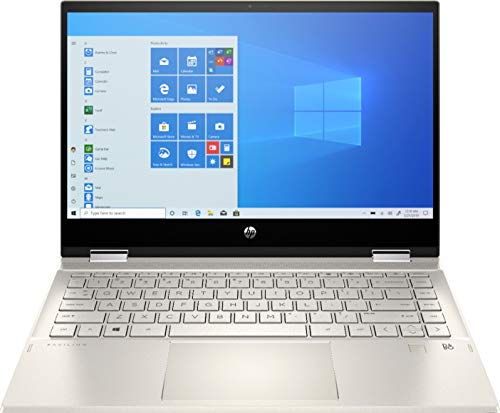
The HP Pavilion x360 is the entry point for artists who want a touchscreen 2-in-1 without spending a lot. The 14-inch Full HD (1920x1080) IPS display covers standard sRGB color space — not the DCI-P3 of the OLED options, but still accurate enough for casual illustration, note-taking, and reference work. The 11th Gen Intel Core i5-1155G7 with Intel Iris Xe Graphics handles digital art apps at modest workloads without issue.
The 360-degree hinge is the key selling point. Flip it into tent mode for drawing or full tablet mode for sketching. Intel Iris Xe Graphics (integrated GPU) performs better than AMD's older integrated solutions, which means smoother canvas rendering in apps like Krita or Adobe Fresco. The 8GB RAM and 256GB SSD are lean by today's standards, so artists working with large PSD files will want to keep external storage nearby.
The warm gold colorway is a minor but genuine differentiator in a sea of grey plastic laptops. Build quality is mid-tier but acceptable at this price. Our team would not call this a replacement for the ASUS OLED picks — but for a first artist laptop or a secondary travel machine, it delivers solid value. If anyone needs tips on keeping this kind of machine running well over time, we recommend checking our article on how to clean a laptop to make it faster.
Pros:
Cons:
The Surface Laptop Go 2 is the most portable machine on this list at 12.4 inches. The 1536x1024 touchscreen runs at a 3:2 aspect ratio — taller than the typical laptop screen, which is genuinely useful for artists who sketch in portrait orientation or work with long vertical reference images. This is an Amazon Renewed (certified refurbished) unit, tested and certified to work like new with a minimum 90-day warranty included.
The standout spec here is 16GB RAM — more than several new laptops at this price tier. The Intel Core i5-1135G7 and integrated Intel UHD Graphics keep things competent for 2D illustration, though this is not a machine for any 3D rendering or video work. Windows 11 Pro is a step above Home on other entries, adding BitLocker encryption (disk protection) and remote desktop functionality. The Fingerprint Power Button with Windows Hello makes logging in fast.
The refurbished status is the trade-off. Surface hardware is well-built, and Amazon Renewed certification means functionality is verified — but cosmetic wear may exist. For budget-conscious artists who prioritize portability and RAM over raw processing power, this is a smart buy. The compact footprint makes it easy to carry to life drawing sessions or outdoor sketching.
Pros:
Cons:
The Vivobook Go 15.6" is the budget floor of this list. The AMD Ryzen 5 7520U processor is designed specifically for slim, affordable laptops — it handles light creative apps like Canva, Procreate alternatives on Windows, and basic Photoshop editing without breaking a sweat. Battery life is strong, which matters for artists who work away from power outlets. The 15.6-inch screen gives plenty of workspace for the price.
The display runs at a 60Hz refresh rate with 45% NTSC color coverage — that is notably narrower than the DCI-P3 panels on the ASUS OLED models. Colors will appear less saturated and accurate compared to the top picks. Military-grade durability (MIL-STD-810H tested) means it survives the bumps of a bag full of art supplies without issue. Fast charging and a webcam privacy shield are practical additions at this price tier.
The 8GB memory and 512GB storage configuration is balanced. Most light illustration and photo editing tasks run comfortably. This is the pick for students, beginners, or anyone who needs a reliable machine for casual creative work without a high upfront cost. We would not recommend it for professional print work where color precision matters — but for digital content creation and sketching, it holds up. Anyone debating this vs. a larger machine should read our breakdown on the difference between laptops and notebooks for context on size tradeoffs.
Pros:
Cons:
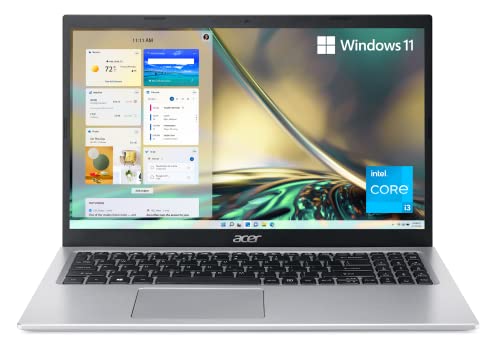
The Acer Aspire 5 is the most affordable entry on this list. It runs an 11th Gen Intel Core i3-1115G4 dual-core processor — a step down in raw power, but perfectly adequate for anyone using browser-based design tools, lighter desktop apps, or doing casual photo retouching. The 15.6-inch Full HD IPS display covers an 82.58% screen-to-body ratio with narrow bezels, which makes the screen feel larger than the chassis suggests.
Wi-Fi 6 (the latest wireless standard at this price tier) and Bluetooth are included. The ergonomic hinge lifts the keyboard at an angle when the lid is open, which actually improves airflow and typing comfort simultaneously — a clever design choice at a budget price. Amazon Alexa is built in for hands-free controls, which has limited practical use for artists but adds zero friction if ignored. Turbo Boost up to 4.1 GHz keeps single-threaded performance competitive for the processor class.
The 128GB NVMe SSD is the weakest spec on this machine — it will fill up almost immediately for any working artist. This is a machine that demands an external SSD or cloud storage workflow from day one. Our honest take: the Aspire 5 is a starting point, not a permanent creative workstation. It runs the software, handles light projects, and costs less than almost anything comparable. Artists who later want to understand how heat affects laptop performance during long rendering sessions should read our guide on why laptops run hot and how to fix it.
Pros:
Cons:
For artists, the display is the single most important component. Everything else is secondary. We look for two numbers above all others:
Budget laptops often cut costs by shipping 45% NTSC panels. This is a hard limit — colors look dull and washed out. The ASUS OLED options on this list prove that 100% DCI-P3 is achievable without breaking the budget in 2026. Never compromise on color gamut if illustration or photo editing is the primary use case.
Not every artist needs a touchscreen — but for anyone who wants to draw directly on the display, a 2-in-1 with a 360-degree hinge is essential. Key considerations:
Artist software like Photoshop, Illustrator, Clip Studio, and Krita are CPU-heavy (they rely primarily on the processor) during export, filter application, and layer flattening. Here is what the specs actually mean:
Art files are large. A single layered PSD file can exceed 500MB. Buyers should factor storage into the total cost calculation from the start:
Our top pick is the ASUS Zenbook 14 OLED. It delivers 100% DCI-P3 color accuracy on an OLED touchscreen at a budget price, paired with a Ryzen 7 8840HS processor and 16GB RAM. For most digital artists shopping for value in 2026, it hits every meaningful benchmark without requiring a premium budget.
Not for 2D digital art. Applications like Photoshop, Clip Studio Paint, Krita, and Affinity Designer rely primarily on the CPU and RAM — not the GPU. Integrated graphics like AMD Radeon 780M or Intel Iris Xe handle these apps without issue. A dedicated GPU becomes necessary only for 3D modeling, rendering, or animation work in tools like Blender or Cinema 4D.
8GB RAM is workable for light 2D illustration but becomes a bottleneck when working with large canvases, many layers, or multiple apps open at once. We recommend 16GB as the comfortable baseline for any serious artistic workflow in 2026. The ASUS Zenbook 14 and Vivobook Flip 14 both ship with 16GB at accessible price points.
Full HD (1920x1080 or 1920x1200) is the minimum acceptable for art work. The wider 16:10 ratio of 1920x1200 adds useful vertical canvas space compared to standard 16:9. For anyone who can stretch the budget, a 2.5K panel like the Lenovo Yoga 7i's 2560x1600 display provides sharper detail for fine linework and reduces aliasing (jagged edges on diagonal lines).
For artists who want to draw directly on the screen, yes — a 2-in-1 with a 360-degree hinge and active stylus support is far more practical than a standard clamshell laptop. However, 2-in-1 designs sometimes compromise on port selection and cooling. For artists who use external drawing tablets and prefer a traditional laptop setup, a standard clamshell with a high-quality display is the better call.
We consider 512GB the practical minimum for working digital artists who store projects locally. High-resolution layered files, brush packs, texture libraries, and reference photo collections accumulate quickly. Artists who work primarily in the cloud or use external drives can manage on less, but the Acer Aspire 5's 128GB ships at a level that requires a supplementary storage solution from day one. The ASUS Vivobook Flip 14's 1TB SSD is the most comfortable configuration on this list.
The cheapest laptop that nails color accuracy will always outperform the fastest laptop with a washed-out screen — for artists, the display is the machine.


About Editorial Team
The DigiLabsPro editorial team covers cameras, lenses, photography gear, and creative technology with a focus on helping photographers make informed buying decisions. Our reviews and guides draw on hands-on testing and research across a wide range of equipment, from entry-level beginner kits to professional-grade systems.
You can get FREE Gifts. Or latest Free phones here.
Disable Ad block to reveal all the info. Once done, hit a button below
