Over 67 million U.S. households own at least one dog, and professional pet photography has grown into one of the fastest-expanding niches in the portrait industry. A well-configured dog portrait photography studio setup is the foundation of that growth — the infrastructure that separates polished, saleable work from casual snapshots. Our team at DigiLabsPro has spent considerable time testing lighting configurations, backdrop systems, and posing approaches across dozens of studio sessions, and we've gathered everything we've learned here and throughout our broader photography articles collection.

Studio dog photography isn't simply a matter of pointing a camera at an animal and hoping for the best. It demands precise control over light, a working understanding of animal behavior, and fast technical execution under unpredictable conditions. Dogs move constantly, get distracted by the smallest sounds, and don't hold poses on command. The studio environment — when built thoughtfully — eliminates most of those variables. Controlled lighting removes inconsistent shadows. A clean backdrop strips away visual competition. A defined shooting zone keeps the subject within the optimal focus plane throughout the entire session.
This guide covers every critical layer of the process: how different lighting setups compare for dog work, which backdrops perform best in practice, how to engineer natural-looking poses without forcing compliance, and how to build a portrait practice that compounds its value over time. Anyone building a first dog portrait studio — or refining an existing one — will find specific, tested recommendations throughout.
Contents
Outdoor dog photography sessions are popular, but they introduce variables that experienced photographers quickly learn to dislike. Weather shifts mid-session. Ambient light changes every 15 minutes as clouds move overhead. Distractions — other animals, traffic noise, unfamiliar smells — compete constantly for the dog's attention. The result is a higher ratio of wasted frames to keepers compared to controlled studio work.
Inside a properly designed studio, those variables disappear:
Our team consistently finds that studio sessions run 30–40% faster than comparable outdoor work. More efficient time means more usable frames per hour — and that translates directly into better final images and stronger client satisfaction scores.
A distracting background doesn't just look unprofessional — it actively competes with the dog's expression, which is the entire point of the portrait. Our team treats backdrop selection as a compositional decision, not an afterthought.
According to the pet industry overview on Wikipedia, Americans spend over $136 billion annually on their pets. A meaningful share of that spending flows toward premium experiences and keepsakes, including professional photography.
Dog portrait photography has developed a clear premium pricing tier:
Clients actively compare studios online before booking. Portfolio quality — which directly reflects the studio setup behind it — is the primary decision factor. A polished dog portrait photography studio setup signals professional capability before a single conversation happens.

Three primary lighting categories serve dog portrait photography: strobe monolights, continuous LED panels, and natural light augmented with reflectors. Each performs differently under studio conditions. Our team has worked extensively with all three, and the comparison below reflects real-world use — not just spec sheets.
| Lighting Type | Best For | Key Advantages | Key Limitations | Typical Investment |
|---|---|---|---|---|
| Monolight Strobe | Action-stopping, sharp portraits | High power output, freezes motion, accurate color rendering | Requires triggers or sync cables; steeper learning curve | $200–$800 per head |
| Continuous LED Panel | Beginners, hybrid photo/video use | WYSIWYG exposure preview, no sync required, less startling for dogs | Lower power output; very bright setups can cause squinting | $100–$500 per panel |
| Natural Light + Reflectors | Budget setups, soft lifestyle feel | Flattering quality, minimal equipment cost | Inconsistent; time-of-day and weather dependent | $20–$80 for reflectors |
| Ring Light | Close-up face and eye detail shots | Even wraparound illumination, distinctive circular catchlight | Produces flat, dimensionless light — poor for full-body work | $80–$300 |
For most working studio photographers, monolight strobes paired with large softboxes deliver the most consistent professional results. The motion-freezing capability of a strobe — even at moderate output — eliminates blur from a dog turning its head mid-shot, which is the single most common cause of wasted frames in pet portraiture.
The modifier makes more difference than the light source itself. Our team's core modifier selection for dog portrait work:
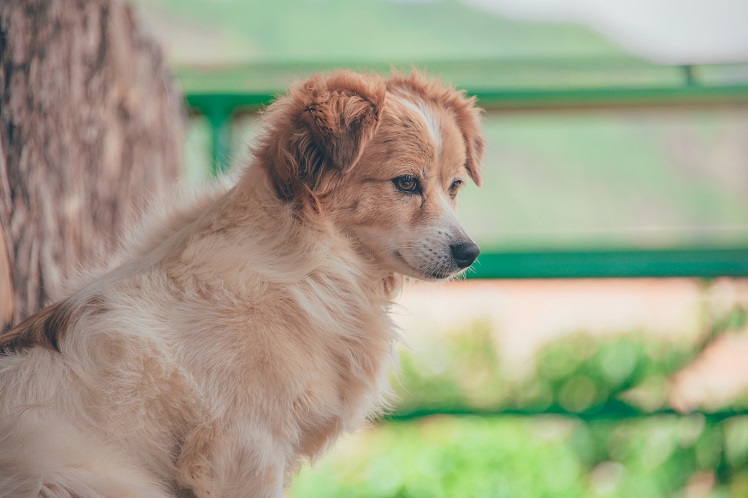
Our team positions the main light at a 45-degree angle to the subject in nearly every session — that single placement decision adds more depth and dimension to a dog portrait than any post-processing technique available.
Dogs don't take direction the way human subjects do. The most effective studio approach shifts the photographer's role from "giving commands" to "engineering conditions" — setting up circumstances that make the desired pose likely, then anticipating and capturing the right moment.
Techniques our team relies on consistently:
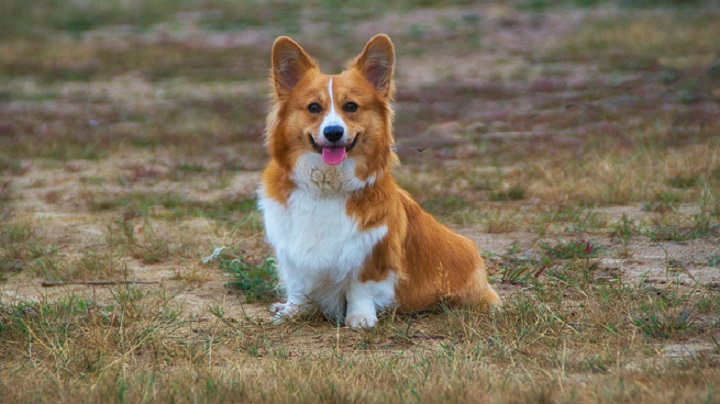
Recognizing stress signals before they escalate protects both the dog and the session quality. Our team watches for specific indicators throughout every shoot:
Professional dog portrait sessions run most effectively at 45–90 minutes. Our team builds structured play breaks into every session plan — a dog that leaves the studio with a positive association returns more readily and behaves better on every subsequent visit.
The technical demands of dog portrait photography are specific. Autofocus speed and burst rate matter more here than in most portrait disciplines, because optimal expressions appear in narrow windows that last fractions of a second.
Camera priorities for studio dog work:
Recommended lenses:
For photographers building out their file management process alongside their studio infrastructure, our guide on how to name photography files covers a reliable 4-step system that keeps multi-session archives organized and retrievable under any volume.
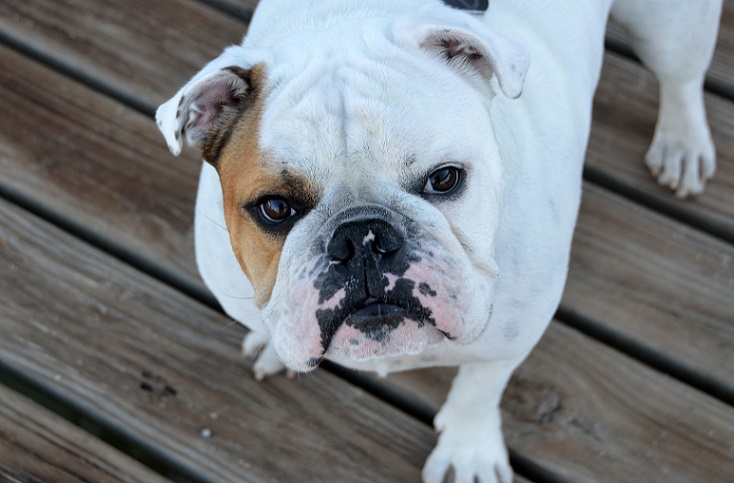
Backdrop selection is one of the most visible components of any dog portrait photography studio setup. The wrong choice — wrinkled fabric, a poorly matched color, a reflective surface catching stray light — undermines everything else in the frame.
Backdrop options ranked by our team's real-world preference:
For flooring, non-slip surfaces are non-negotiable. Our team uses interlocking foam mats covered with a vinyl layer, with a textured area rug placed within the active shooting zone. The rug adds visual warmth to portraits and gives dogs the traction needed to sit or stand comfortably without sliding or showing visible stress.
A professional dog portrait photography studio setup produces raw material. The workflow after the session is where that material becomes a finished product worth delivering and displaying. Our team's standard post-session process:
Our team spends as much attention on post-processing consistency as on the shoot itself — the edit is where a technically solid frame becomes a portrait worth hanging on a wall.
Repeat clients are the foundation of every sustainable dog portrait practice. Single-session clients are expensive to acquire through marketing; returning clients are essentially cost-free. Our experience shows that clients return most reliably when three conditions are consistently met:
Building that referral network takes deliberate effort over time. For a broader perspective on developing professional expertise and sustainable client relationships in photography, our piece on the journey from neuroscience to professional photographer offers a compelling look at how systematic skill-building compounds across a career.
The compounding logic of studio investment is straightforward: better lighting, a wider backdrop selection, a refined posing workflow — each improvement pays off not once, but across every session that follows. A strong repeat client base is what makes those investments genuinely worthwhile.
Our team recommends a monolight strobe as the primary light source, modified with a large softbox (60×90cm or larger) positioned at approximately 45 degrees to the subject. This combination freezes motion effectively, wraps light evenly around fur textures, and produces consistent results session after session. A silver reflector on the opposite side fills shadow areas without requiring a second powered light to manage.
Neutral tones — soft gray, warm white, and deep charcoal — are the most versatile options and complement nearly every coat color without competing with the subject. Seamless paper in these shades is our team's top recommendation because it photographs consistently across lighting setups and is straightforward to replace when it shows wear from regular use.
Engineering the conditions for the desired pose is far more effective than commanding it. A high-value treat positioned just above lens level produces alert, engaged expressions. A familiar handler standing behind the camera provides a natural focal point. A raised posing table reduces movement range for smaller breeds. Patience and structured breaks between setups consistently outperform any approach that relies on compliance.
Our team typically shoots at 1/200s or faster to eliminate motion blur from head turns and body shifts. An aperture of f/2.8 to f/4 provides subject separation while keeping the eyes and nose in the same focus plane. ISO stays as low as the lighting allows — typically ISO 100–400 in a well-lit studio — with animal eye-detection autofocus active throughout the session.
A functional entry-level setup — one monolight strobe, a softbox, a reflector, a backdrop stand, and two rolls of seamless paper — typically runs $600–$1,200. A more complete professional configuration with multiple lights, a range of backdrop options, and proper posing furniture generally falls in the $2,500–$5,000 range before accounting for camera and lens investment.
An 85mm f/1.4 or f/1.8 is our team's consistent choice for studio dog headshots. It delivers flattering focal compression, attractive background separation at wide apertures, and a comfortable working distance that avoids crowding the dog. For full-body shots in larger studio spaces, a 70–200mm f/2.8 provides added versatility across session types.
Our team structures sessions at 45–90 minutes. Shorter sessions don't allow adequate warm-up time for anxious dogs; longer sessions typically produce diminishing returns as focus and compliance degrade. Building two to three structured play breaks into that window keeps energy stable and consistently produces more expressive, natural-looking final frames than marathon sessions without breaks.
The best dog portraits aren't made in the moment of capture — they're built in the months of deliberate studio refinement, practiced posing instincts, and client trust that make that moment possible.


About Editorial Team
The DigiLabsPro editorial team covers cameras, lenses, photography gear, and creative technology with a focus on helping photographers make informed buying decisions. Our reviews and guides draw on hands-on testing and research across a wide range of equipment, from entry-level beginner kits to professional-grade systems.
You can get FREE Gifts. Or latest Free phones here.
Disable Ad block to reveal all the info. Once done, hit a button below
