The most effective child photography tips and techniques center on one principle: letting children lead while the photographer follows their energy. Our team has spent years refining approaches that produce genuine, expressive images rather than stiff, posed portraits. Across our photography articles, we consistently find that session structure matters far less than a photographer's ability to read and respond to a child's energy in real time.
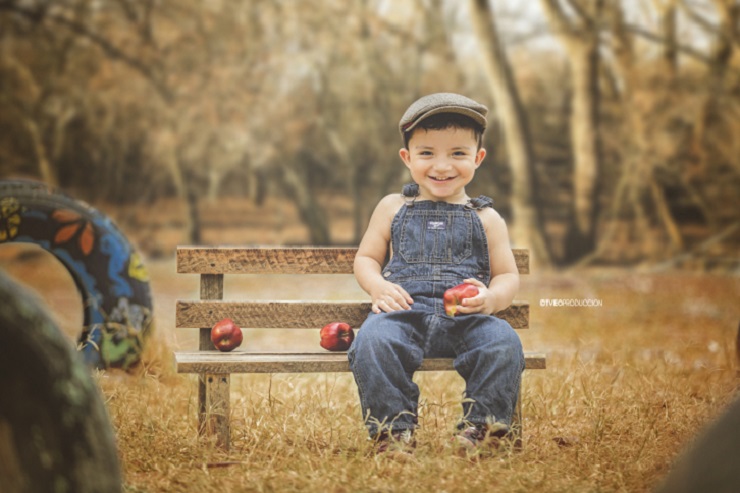
Children are unpredictable subjects — that is precisely what makes photographing them both challenging and deeply rewarding. Unlike adult portrait sessions, where posing and direction carry most of the creative weight, child sessions demand fast reflexes, thoughtful gear settings, and an environment that feels more like play than a formal shoot. Our experience working alongside photographers at every skill level confirms that preparation and flexibility must work together, not against each other.
Below, we break down everything from common misconceptions and lighting trade-offs to the specific session mistakes that quietly undermine otherwise strong work. Whether our team is shooting toddlers outdoors in soft natural light or older children in a controlled studio setting, the core fundamentals of solid child photography stay consistent — and mastering them transforms average portraits into images families keep for generations.
Contents
One of the most persistent myths in child photography is that a controlled, heavily posed session produces better results than a candid, play-driven one. Our team has watched this belief lead photographers to over-direct young subjects, producing images that feel stiff and inauthentic rather than warm and alive. Children rarely hold poses the way adults do, and fighting that reality almost always produces forgettable work.
Photographers like Amanda Julca have built their reputations on capturing candid, unposed moments — and their work demonstrates that the most memorable child portraits emerge from observation, not direction. Prompting a child to "look here and smile" delivers a fraction of the emotional impact compared to catching a genuine laugh mid-play, and our team treats that gap as the central argument against over-posing.
A second common misconception is that a packed gear bag signals a more capable child photographer. In reality, effective child photography requires a surprisingly modest kit. The same logic applies in dog photography — unpredictable subjects reward simplicity and speed over elaborate setups. Our preferred loadout for most outdoor child sessions includes:
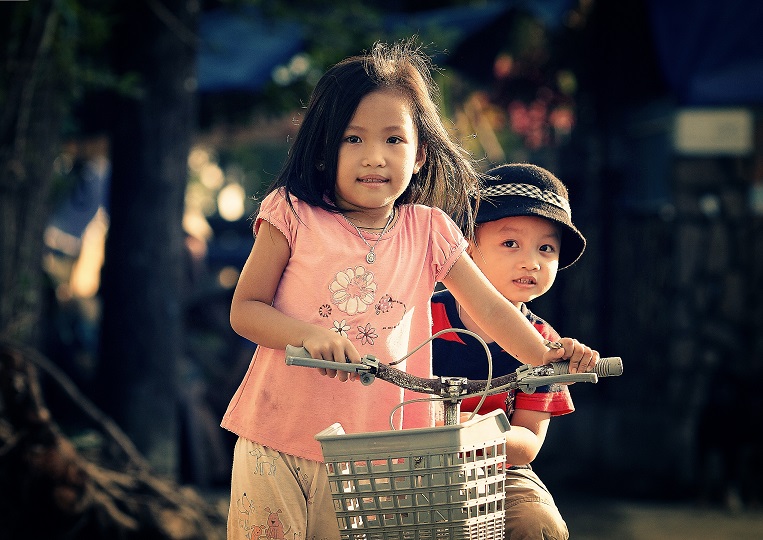
Pro tip: Our team sets continuous burst mode before every child session begins — decisive moments with children last under a second, and single-shot mode guarantees missing them entirely.
Both natural light and studio environments produce outstanding child portraits, but each carries a distinct set of trade-offs that every photographer working with child photography tips and techniques should understand. Our team leans toward natural light for most child sessions, particularly with younger children who find studio setups unfamiliar and overstimulating. That said, studio work offers consistency and control that outdoor sessions simply cannot replicate.
| Factor | Natural Light | Studio Setup |
|---|---|---|
| Child comfort level | High — familiar environment | Lower — equipment can intimidate |
| Lighting consistency | Variable (clouds, time of day) | Fully controlled |
| Movement freedom | Excellent — wide open space | Limited by studio footprint |
| Background options | Contextual and environmental | Seamless and interchangeable |
| Weather dependency | High | None |
| Post-processing complexity | Moderate — white balance variation | Low — consistent baseline |
When shooting outdoors, our team schedules sessions during golden hour whenever logistically possible — the soft, directional light in the hour after sunrise or before sunset flatters young faces and eliminates the harsh shadows that midday sun creates. According to Wikipedia's overview of golden hour photography, the low sun angle during these windows produces longer, softer shadows that suit portrait work across all subjects, and our field experience strongly supports that finding.
Studio child sessions succeed when the environment is demystified before any shooting begins. Our team's standard practice is allowing children to explore the space — touch the backdrops, examine the lights at close range — before the camera ever appears. This brief exploration period reduces anxiety significantly and builds rapport faster, which translates directly into more natural expressions once the session is underway. Photographers like Meghan Stewart and Jeff Cable both emphasize that the relationship between photographer and subject matters more than any technical choice, and nowhere is that truer than in child portrait work.
Matching the session environment to the child's specific personality is one of the most underrated child photography tips and techniques in our team's experience. A high-energy five-year-old thrives in an open park setting with room to run; a quieter, more introverted child often produces stronger images in a familiar home environment where comfort levels are naturally higher.
Different age groups require meaningfully different approaches, and our team treats this calibration as a non-negotiable part of session planning rather than an optional refinement:
Our team's most successful child sessions blend both approaches — beginning with a few lightly directed moments to warm up the child, then transitioning to observational, candid shooting once energy builds naturally. The shift from structured to intuitive creative work mirrors what experienced photographers describe in their professional development: structure opens the door, but trained instinct delivers the memorable frames. Keeping that balance sharp is the distinguishing skill in serious child portrait photography.
Warning: Overscheduling a child session almost guarantees diminishing returns — our team caps most sessions at 60 minutes regardless of how well things are going, because fatigue erases everything the first half built.
Even experienced photographers make predictable errors when shifting focus to child-centered sessions. Our team has identified the patterns that appear most consistently across peer reviews and photographer consultations, and addressing them directly produces measurable improvements in session output.
The most common technical mistake our team observes is shooting at too low a shutter speed. Children move constantly and unpredictably, and any shutter speed below 1/250s introduces motion blur that makes otherwise well-composed images unusable. Our baseline recommendation is 1/500s for active children, increasing to 1/1000s for running or jumping scenarios where motion is especially fast and erratic.
Equally damaging is failing to lock focus on the eyes. With shallow depth-of-field shooting — which our team strongly recommends for the background separation it provides — eye focus accuracy is non-negotiable. Modern cameras with subject-detection autofocus simplify this considerably, and our team considers this feature essential for serious child portrait work. After the session, a disciplined post-processing workflow starts with file organization, and the system detailed in our photography file naming guide keeps large child session deliveries manageable from the start.
On the human side, the mistake our team sees most consistently is the photographer maintaining too much physical distance from the child. Getting down to a child's eye level — crouching, kneeling, or lying on the ground — transforms the visual dynamic completely and signals genuine engagement rather than authority. The difference in resulting expressions is immediate and dramatic.
Parental involvement during the session also requires careful management. Well-meaning direction from parents — "smile bigger," "look at the camera" — creates the exact tension that undermines natural expressions. Practitioners like McKay's Photography and Matt Theilen Photography both recommend briefing parents before sessions begin about stepping back and letting the photographer lead, a small pre-session conversation that pays significant dividends in final image quality.

Our team recommends a minimum shutter speed of 1/500s for active children, a wide aperture between f/1.8 and f/2.8 for clean background separation, and ISO set to auto with a ceiling of 3200 for indoor or low-light work. Enabling continuous autofocus with burst mode active before the session starts is standard practice on our team.
Most child sessions produce their best results between 30 and 60 minutes. Toddlers often hit their limit around 20–30 minutes, while school-age children can sustain genuine engagement for a full hour. Our team finds consistently that shorter, energetic sessions outperform extended sessions where fatigue gradually erodes the quality of expressions and behavior.
Our team prefers natural light for most child sessions, particularly with younger children who find studio equipment unfamiliar. Golden hour outdoor light is the ideal starting point for any child portrait session. Studio setups offer consistency that outdoor sessions cannot match, but require a deliberate warm-up period so the child can feel fully comfortable before shooting begins.
Our team's top recommendation is an 85mm f/1.8 prime for studio and controlled outdoor settings — the focal length compression flatters young faces and the wide aperture separates subjects from backgrounds clearly. A 50mm f/1.8 performs better in tighter spaces, offering more working distance flexibility while still delivering excellent background separation at wide apertures.
Our most effective approach treats the session as play rather than a photoshoot. Simple prompts asking children to demonstrate something, play a quick game, or interact naturally with a sibling generate genuine expressions that posed direction cannot replicate. Keeping energy high and pacing consistently brisk maintains engagement throughout the full session window.
Our team's pre-session checklist includes confirming the child has eaten and rested, briefing parents to avoid directing children during the shoot, and arriving early to scout and set up so no setup time is lost once the child arrives. A five-minute warm-up period where the child explores the space before any shooting begins significantly improves session outcomes across all age groups.


About Editorial Team
The DigiLabsPro editorial team covers cameras, lenses, photography gear, and creative technology with a focus on helping photographers make informed buying decisions. Our reviews and guides draw on hands-on testing and research across a wide range of equipment, from entry-level beginner kits to professional-grade systems.
You can get FREE Gifts. Or latest Free phones here.
Disable Ad block to reveal all the info. Once done, hit a button below
