Are you posting to your Facebook page every week without seeing real bookings come in, or are you wondering whether the platform is even worth your time anymore? Learning how to use Facebook as a photographer the right way changes how potential clients find, follow, and ultimately hire you — and this guide, part of our broader photography articles collection, gives you a clear, practical framework for doing exactly that. Facebook rewards photographers who follow consistent, intentional practices, and it quietly penalizes those who treat the platform like a sporadic dumping ground for finished edits.
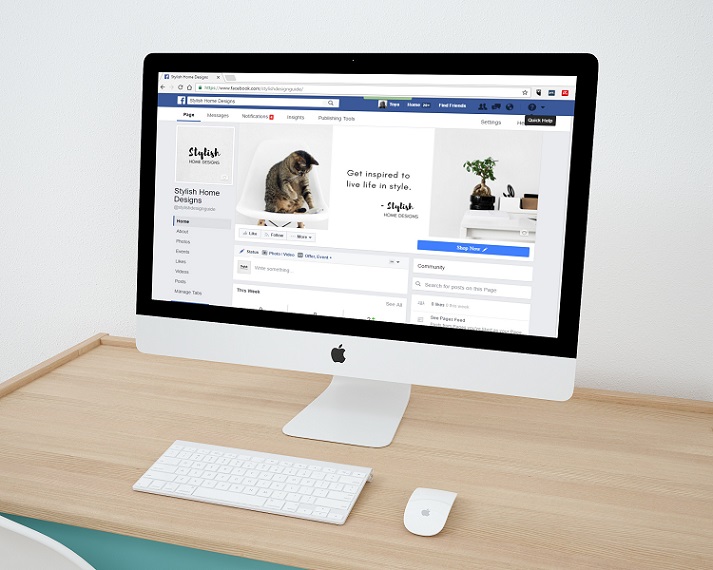
Facebook remains one of the most powerful platforms for photographers who want to reach local clients, showcase their portfolio, and drive bookings without starting from scratch on a smaller, less-established network. With over three billion monthly active users according to Wikipedia, the platform offers a built-in audience that no other social network can match in sheer scale and demographic diversity. The question is not whether Facebook deserves your attention — it is whether you are showing up in a way that earns genuine engagement and converts followers into paying clients.
Before diving into the specifics, recognize that Facebook rewards consistency and authentic connection over raw posting volume. Combining smart page habits with a broader marketing approach — like pairing your digital presence with offline tools such as photographer event cards — compounds your visibility every week and keeps you top of mind for local clients who are actively searching. The six sections below walk you through what to do, what to avoid, and exactly how much effort each piece of the puzzle actually requires.
Contents
Your Facebook Business Page is often the first impression a prospective client gets before they ever visit your website, so every detail on it communicates something about your professionalism and your brand. Fill in your business category, contact information, service area, and a direct link to your booking page before you publish a single photo — incomplete pages signal to visitors that you are not fully invested in your own business. Your cover photo should be a strong, recent image that represents your primary niche, whether that is wedding, portrait, or commercial photography, and your profile photo should be a clean logo or professional headshot that clients will recognize when your posts surface in their feed.
Variety is the single most important posting principle you can apply to your Facebook strategy as a working photographer. A feed that shows only finished portfolio shots reads like a brochure — impressive once but easy to unfollow when there is nothing new to engage with. Mix behind-the-scenes moments, client testimonials, short video clips from a recent session, and the occasional personal story that gives followers a genuine sense of who you are as a person behind the camera. Facebook's algorithm rewards posts that generate comments and shares, so always end your caption with an open-ended question that actively invites a response from your audience.
Pro tip: Posts that ask a direct question — "Which of these two edits speaks to you more?" — consistently outperform pure portfolio showcases because they give your followers a concrete reason to stop scrolling and respond.
Low reach on Facebook is rarely about the quality of your photography — it is almost always a consequence of irregular posting, weak caption writing, or content that demands nothing of the viewer and therefore receives nothing in return. When your page goes quiet for two or more weeks, Facebook's algorithm treats it as inactive and stops surfacing your posts to followers who haven't recently engaged with you. The fix is straightforward but requires real discipline: commit to a minimum of three posts per week, prioritize video content (which the algorithm currently boosts over static images), and respond to every comment within the first hour after posting because early engagement signals tell the algorithm your post is worth distributing further.
Every photographer with an active public page will eventually receive a critical comment or a negative review, and how you respond defines your reputation far more than the original complaint ever will. Respond to every piece of negative feedback calmly and promptly, acknowledge the client's concern without becoming defensive, and offer to continue the conversation through a private message or direct email. Deleting legitimate criticism makes the situation significantly worse — screenshot it first, then assess whether the comment violates Facebook's community standards before removing it. A composed, professional public response often impresses prospective clients more than a perfect five-star rating because it demonstrates that you handle conflict with maturity and integrity.
Consistency does not mean posting every single day — it means posting on a predictable schedule that your audience begins to anticipate and look forward to finding in their feed. A realistic rhythm for a working photographer looks like three posts per week: one polished portfolio showcase, one behind-the-scenes or educational post that demonstrates your expertise, and one engagement post such as a poll, a question, or a "this or that" comparison. Batch-create your content on a slow editing day, schedule everything using Meta Business Suite, and you effectively eliminate the "I forgot to post" problem that quietly kills most photographer pages within their first six months of operation.
Update your cover photo at least every quarter to signal to returning visitors that your work is current and that your business is actively growing. Your portfolio albums — organized by niche rather than by shoot date — should reflect your strongest current work, not images you captured two or three seasons ago that no longer represent your style. Archive outdated albums rather than deleting them entirely, because long-time followers who have saved or shared older posts can still access them without confusion. If you shoot across multiple genres, create a clearly labeled album for each so clients searching for a specific style find exactly what they need without having to dig through a disorganized gallery.
Facebook's core strength for photographers lies in its targeting capabilities and its community groups — two features that no other platform replicates at the same scale or with the same depth of local integration. You can join local wedding vendor groups, parenting communities, and neighborhood boards where your ideal clients actively post questions and ask friends for referrals, and a genuinely helpful comment in those spaces converts better than most paid ads. For photographers who are serious about finding their ideal clients in a competitive market, Facebook Groups remain one of the most underused and highest-ROI tools available without spending a single dollar on advertising.
The honest drawback of Facebook is organic reach decline — a trend that has been consistent for years and shows no realistic sign of reversing under current platform policies. Even pages with thousands of established followers regularly see only two to five percent of their audience actually receive each post in their feed without a paid boost or a high-engagement trigger. Time investment is also a real cost: a well-managed Facebook presence demands three to five hours per week of content creation, comment monitoring, and active community participation to produce meaningful, measurable results for your photography business.
| Factor | Advantage | Limitation |
|---|---|---|
| Reach | 3B+ potential audience, strong local targeting tools | Organic reach limited to roughly 2–5% of followers per post |
| Cost | Free to create and post on a Business Page | Meaningful ad results require a consistent ongoing budget |
| Engagement | Groups and comment threads build genuine relationships | Algorithm actively deprioritizes static image-only posts |
| Portfolio Display | Albums, Stories, and Reels all in one unified platform | Image compression visibly reduces sharpness at smaller exports |
| Client Trust | Reviews and recommendations visible to every page visitor | Negative reviews remain permanently unless the author removes them |
Warning: Facebook compresses uploaded images by default, which visibly reduces sharpness in your portfolio — always export images at 2048px on the long edge before uploading to minimize quality loss.
Facebook is the right platform to invest heavily in when your target clients are adults between thirty and sixty-five, when you serve a defined local geographic area, or when you specialize in life-milestone photography — weddings, newborns, family portraits, senior portraits — where clients rely heavily on referrals and community recommendations before making a booking decision. If you run paid ads, location-based targeting combined with life-event triggers such as "recently engaged" or "expecting a baby" places your photography directly in front of clients at the exact moment they are actively looking for someone like you. This targeting precision is the feature that genuinely sets Facebook apart from every competing platform.

If your target clients are primarily under twenty-five, if you shoot editorial or commercial work for brands rather than individual consumers, or if your local market has low Facebook adoption among your ideal demographic, then doubling down on Facebook is the wrong allocation of your limited time. Redirect that energy toward Instagram, LinkedIn, or direct portfolio pitches to art directors and creative agencies instead. During peak shooting seasons — summer and fall for most wedding and portrait photographers — scale back your Facebook management to the bare minimum, schedule posts in advance using Meta Business Suite, and focus your full attention on delivering excellent work to the clients already in your calendar.
Your Facebook Business Page is completely free to create and maintain, and organic posting costs nothing beyond the time you invest in creating and scheduling content. A well-optimized page with consistent posts, active community engagement, and regularly updated albums can generate real inquiries without a single dollar in advertising spend — particularly in your first year of building an audience from scratch in a defined local market. The trade-off is that organic growth is inherently slow, typically adding fifty to one hundred new followers per month for a consistently active page, and each post reaches only a small fraction of your existing audience without a paid distribution boost behind it.
Facebook advertising becomes effective for photographers at a modest daily budget, but you need to understand what each campaign objective actually delivers before you commit real money to any campaign. Start with one campaign type, run it for at least two weeks before evaluating performance, and scale only what is producing measurable leads or bookings. The table below gives you a realistic breakdown of typical costs and expected outcomes for the ad types most relevant to photographers building or growing a client base.
| Ad Type | Typical Daily Budget | Primary Goal | Expected Result |
|---|---|---|---|
| Page Awareness / Likes | $3–$5/day | Build audience | 50–200 new page followers per month |
| Post Boost (engagement) | $5–$10 per post | Increase reach | 1,000–5,000 additional impressions per boost |
| Lead Generation Ad | $10–$20/day | Capture direct inquiries | 5–15 leads per month depending on niche and targeting |
| Retargeting (website visitors) | $5–$10/day | Convert warm prospects | Highest conversion rate of all ad types available |
Retargeting campaigns consistently outperform cold-audience ads because you are reaching people who already visited your website and expressed interest in your work, which means your ad spend goes toward converting warm leads rather than introducing yourself to strangers. Install the Meta Pixel on your website before you run a single ad so you can build that retargeting audience from day one, and let it accumulate data for at least thirty days before launching your first retargeting campaign.
Three times per week is the practical sweet spot for most working photographers — frequent enough to maintain visibility in your followers' feeds without exhausting your best content too quickly. Focus on varied content types across those three posts rather than posting the same type of image repeatedly, and use Meta Business Suite to schedule everything in advance during a single content batch session on a slow day so your page stays active even when you are fully occupied on a shoot or editing marathon.
Always use a Business Page for your photography work rather than your personal profile. A Business Page gives you access to Facebook Insights analytics, the ability to run paid advertising campaigns, scheduling tools through Meta Business Suite, and a clear professional boundary between your personal life and your business identity. Using a personal profile for commercial purposes also violates Facebook's terms of service, which puts your entire account at risk of being permanently disabled without warning or appeal.
Yes — Facebook remains highly effective for photographers who target adult clients, particularly in the wedding, portrait, family, and senior photography markets where booking decisions involve significant financial investment and trust-building over time. While Instagram and TikTok attract younger audiences who rarely make high-value purchases through those platforms, Facebook's Groups and local community features give photographers direct access to active referral networks, parent communities, and event planning spaces where hiring decisions happen every single day. The key is integrating Facebook into a broader multi-platform strategy rather than treating it as your sole marketing channel.
Knowing how to use Facebook as a photographer is not about mastering every feature the platform throws at you — it is about showing up consistently, engaging authentically, and making strategic decisions about where your time and budget actually go. Start today by auditing your current page against the setup checklist in this guide, commit to a three-post-per-week content schedule, and install the Meta Pixel on your website so your first ad campaign has real data to work with. Make those three moves this week, and your Facebook presence will look entirely different — and perform dramatically better — three months from now.


About Editorial Team
The DigiLabsPro editorial team covers cameras, lenses, photography gear, and creative technology with a focus on helping photographers make informed buying decisions. Our reviews and guides draw on hands-on testing and research across a wide range of equipment, from entry-level beginner kits to professional-grade systems.
You can get FREE Gifts. Or latest Free phones here.
Disable Ad block to reveal all the info. Once done, hit a button below
