During a week-long landscape photography expedition at high elevation, one member of our team began experiencing persistent fatigue and subtle cognitive cloudiness — symptoms that seemed disproportionate to the terrain. A single fingertip device returned an SpO2 reading of 88%, which prompted an immediate, controlled descent and a conversation with a physician. Understanding how pulse oximeters measure oxygen saturation is precisely what transforms that device from a black box into an actionable health instrument. Whether you are monitoring your physiology during demanding outdoor shoots or establishing a personal wellness baseline at home, a pulse oximeter delivers meaningful data in under fifteen seconds. For a parallel look at non-invasive cardiovascular tools, see our guide on how to check blood pressure without a cuff.
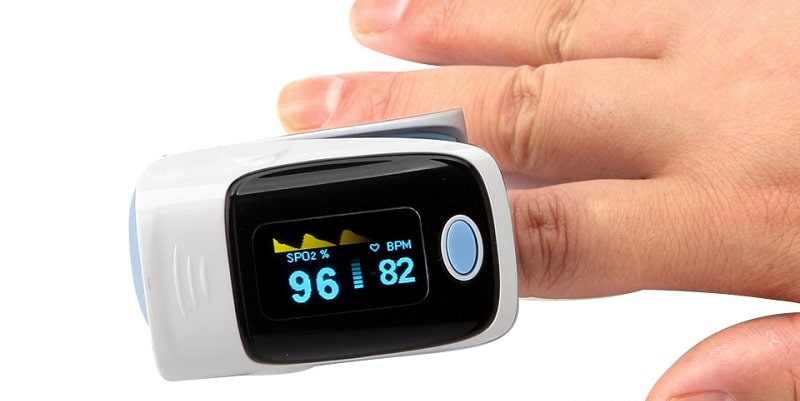
A pulse oximeter is a compact, non-invasive device that reports two core metrics simultaneously: blood oxygen saturation (SpO2) and heart rate in beats per minute (BPM). The measurement principle — called photoplethysmography — uses light to detect changes in blood volume with each heartbeat, then extracts the ratio of oxygenated to deoxygenated hemoglobin from that signal. No needles, no lab visits, no specialized training required. You place the device on your fingertip, hold still, and read the result.
This guide examines the full picture: the underlying science, the available device formats, the clinical meaning of your readings, the trade-offs of consumer hardware, pricing across budget levels, and the daily habits that produce reliable, trustworthy data over time. DigiLabsPro's broader collection of technology and health device reviews is available in our photography articles section.
Contents
The process of how pulse oximeters measure oxygen saturation rests on a well-established physical property: oxygenated hemoglobin (HbO2) and deoxygenated hemoglobin (Hb) absorb light at different rates across the visible and near-infrared spectrum. A pulse oximeter houses two light-emitting diodes — one emitting red light at approximately 660 nanometers and one emitting infrared light at approximately 940 nanometers. These beams pass through your fingertip tissue to a photodetector positioned on the opposite side of the clip.
Oxygenated hemoglobin absorbs more infrared light and less red light. Deoxygenated hemoglobin absorbs more red light and less infrared. By calculating the ratio of absorbed intensities at both wavelengths, the device derives the percentage of hemoglobin molecules that are actively carrying oxygen. Peer-reviewed literature on pulse oximetry confirms that this dual-wavelength approach achieves ±2% accuracy in the 70–100% SpO2 range under stable, controlled conditions.
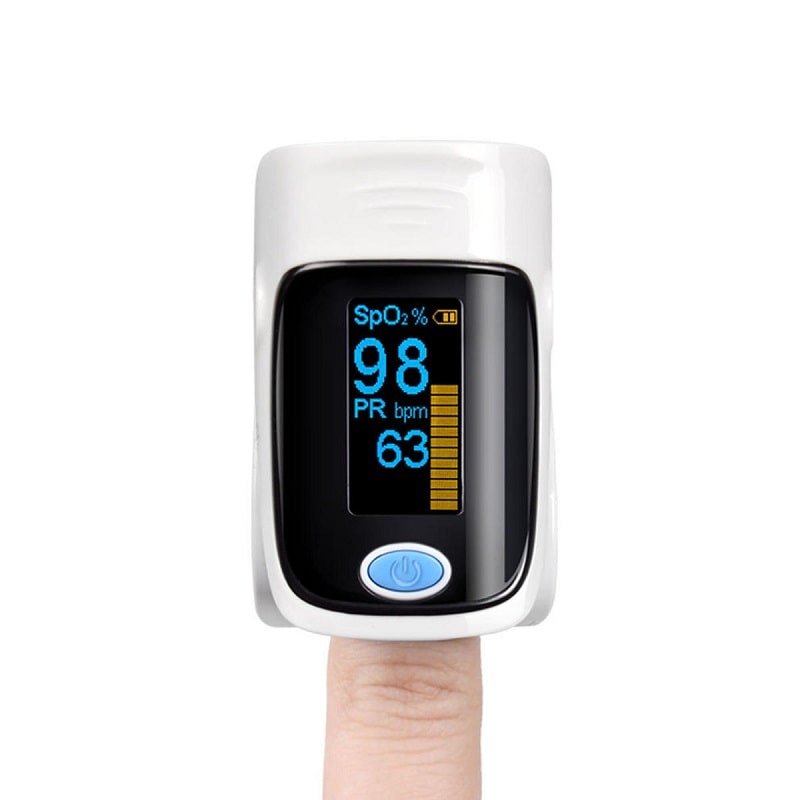
The photodetector captures a composite signal containing two components. The DC (constant) component represents steady-state absorption by bone, tissue, and venous blood. The AC (pulsatile) component fluctuates rhythmically with each arterial heartbeat as blood volume changes. The device's microprocessor isolates the AC component, which reflects arterial blood exclusively — eliminating the noise introduced by surrounding tissue. This isolation is what makes the SpO2 reading specific to your arterial circulation rather than a generalized tissue average. The same pulsatile AC signal provides the timing data for your heart rate calculation, delivering both metrics from a single measurement cycle.
The fingertip pulse oximeter remains the dominant consumer format. It clips over the fingernail bed, where peripheral arterial blood flow is consistent and strong. Most models weigh under 50 grams, display both SpO2 and BPM on an integrated LED or OLED screen, and run on two AAA batteries rated for 30 or more hours of continuous use. For photographers and outdoor professionals who already carry a curated kit of compact precision instruments, the fingertip oximeter is a natural addition. Setup takes seconds; there is no calibration required.
Wrist-based oximeters — integrated into smartwatches and dedicated sleep monitors — offer continuous overnight tracking but sacrifice accuracy due to the wrist's lower and more variable perfusion index compared to the fingertip. Handheld clinical units use a separate finger probe connected via cable and represent the highest tier of consumer accuracy, approaching clinical-grade performance. The table below summarizes the key distinctions across all three primary formats.
| Device Type | Placement | SpO2 Accuracy | Best Use Case | Typical Price Range |
|---|---|---|---|---|
| Fingertip Oximeter | Index or middle finger | ±2% | Spot checks, travel, altitude monitoring | $15–$80 |
| Wrist Wearable | Wrist | ±3–4% | Continuous overnight sleep monitoring | $50–$300 |
| Handheld Clinical | Probe on finger | ±1–2% | High-risk patients, clinical environments | $150–$600 |
| Pediatric / Neonatal | Foot or hand wrap | ±2% | Infants and small children | $80–$400 |
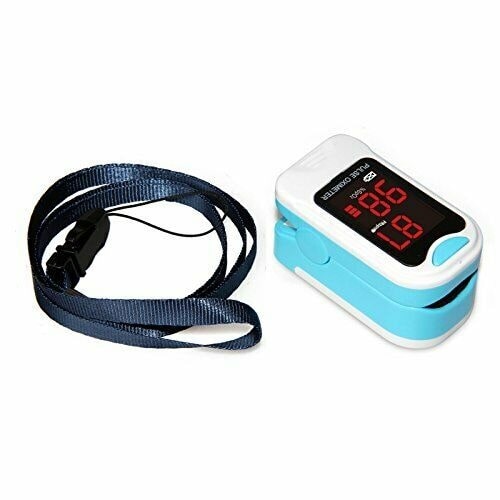
A healthy adult at sea level registers SpO2 between 95% and 100%. Readings between 91% and 94% indicate mild hypoxemia and warrant medical attention if they persist beyond a few minutes at rest. Readings at or below 90% are clinically significant — this threshold is widely used as a trigger for supplemental oxygen intervention in hospital settings. Heart rate norms for resting adults fall between 60 and 100 BPM; athletes often register in the 40–60 BPM range due to cardiac conditioning.
Altitude is one of the most practical applications for a personal pulse oximeter. At 8,000 feet, atmospheric oxygen partial pressure drops by roughly 25%, causing SpO2 to fall into the low 90s in otherwise healthy individuals. Monitoring your saturation during ascent provides an objective data point to govern your pace, hydration, and rest decisions well before symptoms become acute.
Pro Tip: Record a confirmed sea-level SpO2 baseline before any high-altitude expedition — individual normals vary by several points, and knowing your personal floor makes in-field deviations immediately interpretable rather than merely alarming.
For sleep applications, a wrist-based oximeter worn overnight can flag the intermittent desaturation events associated with sleep apnea. If you log multiple dips below 90% during a single night, that pattern warrants clinical follow-up. Quality sleep has a documented impact on cognitive and physical performance — and understanding how environment affects recovery is a subject we also address in our guide on alarm clock display colors and sleep quality.
Consumer pulse oximeters perform reliably within their designed parameters. Their core strengths are consistent and well-documented:
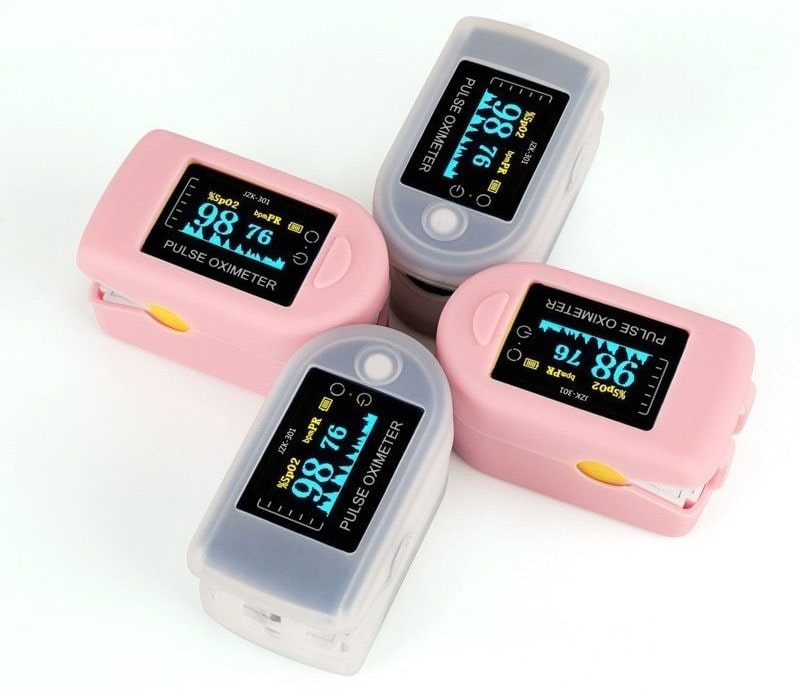
No consumer oximeter replaces arterial blood gas (ABG) analysis, which remains the clinical gold standard. Several specific limitations apply across all standard two-wavelength devices:
Understanding which measurement conditions yield the most consistent cardiovascular data is a recurring principle across all non-invasive diagnostics — a theme also explored in our guide on which arm to use for blood pressure measurement.
Entry-level fingertip oximeters in the $15–$40 range are well-suited for healthy adults performing periodic spot checks. These devices typically carry FDA clearance, display SpO2 and BPM on a standard LED screen, and run on two AAA batteries. Brands such as Zacurate, Contec, and Wellue populate this tier. For occasional altitude monitoring, post-illness recovery tracking, or household readiness, an entry-level device provides genuine clinical utility at a minimal cost.

Mid-range devices in the $50–$120 range add a perfusion index (PI) display, improved screen brightness, Bluetooth data logging, and longer battery life. The PI readout — typically a percentage between 0.02% and 20% — tells you whether the signal quality at your fingertip is sufficient to trust the SpO2 reading. Any PI below 0.4% warrants repositioning before accepting the result.
Above $120, brands such as Nonin and Masimo offer FDA 510(k)-cleared medical-grade devices with multi-wavelength sensors, reduced pigmentation bias, and validated accuracy in low-perfusion states. These represent the appropriate choice for individuals with chronic respiratory conditions, cardiovascular disease, or darker skin tones where standard two-wavelength devices introduce systematic error. The investment logic mirrors what you apply to any precision purchase: identify where the higher specification materially changes the outcome, and spend accordingly.
The clinical value of a pulse oximeter multiplies when you have a reference point. Take readings at the same time each morning — before food, caffeine, or exercise — for fourteen consecutive days. Record the date, SpO2, BPM, perfusion index, and any relevant contextual notes such as altitude, illness, or poor sleep. This baseline transforms the device from a novelty into a diagnostic signal. A reading that is three or more percentage points below your established normal warrants attention, regardless of whether it falls within the population-level "normal" range.
This same principle of disciplined baseline tracking applies across many precision instruments. Just as monitoring your camera's operational wear via shutter count gives you actionable maintenance data rooted in your specific usage history, your oximetry log gives you a personalized trend line rather than a single data point read against an anonymous population average.
Once you have a baseline, consistent integration into daily life requires minimal effort. Morning readings take under thirty seconds. Travel readings at altitude take under a minute. Overnight sleep monitoring requires only clipping on a wrist device before bed. The data compounds in value over time — pattern recognition across weeks and months reveals chronic trends that isolated readings never surface. Connect your device to a companion app if Bluetooth is supported; graphical trend views communicate gradual drift far more intuitively than a raw log of numbers.
Small technique adjustments produce measurable improvements in reading reliability:
The perfusion index is the single most useful secondary metric on a mid-range or professional device. It represents the ratio of the pulsatile (AC) signal to the non-pulsatile (DC) signal at the sensor, expressed as a percentage. A PI above 1.0% indicates adequate signal quality. A PI below 0.4% means the device is working with a weak arterial signal, and the SpO2 result should be treated with skepticism. When your PI is consistently low despite proper finger placement and warm hands, the measurement site itself — not the device — is the limiting factor, and repositioning to a warmer, better-perfused finger resolves the issue in the majority of cases.


About Editorial Team
The DigiLabsPro editorial team covers cameras, lenses, photography gear, and creative technology with a focus on helping photographers make informed buying decisions. Our reviews and guides draw on hands-on testing and research across a wide range of equipment, from entry-level beginner kits to professional-grade systems.
You can get FREE Gifts. Or latest Free phones here.
Disable Ad block to reveal all the info. Once done, hit a button below
