Yes, you can start a photography business as a teenager — right now, with affordable gear and skills you can develop through deliberate practice. Understanding how to start a photography business as a teenager comes down to three fundamentals: building real technical ability, landing your first paying clients, and presenting yourself professionally at every stage. Explore the photography articles on DigiLabsPro for in-depth technique guides that support every step of this process.

The demand is real and accessible. Families book portrait sessions. Small businesses need product and branding shots. Local events need coverage. Social media has created a steady appetite for quality visual content, and clients actively seek out affordable photographers. A teenager who can deliver clean, well-lit images and communicate reliably has a genuine competitive advantage in the local market.
Your age is less of a barrier than you might expect. Clients judge your portfolio, your reliability, and how easy you are to work with — not your birth year. This guide covers the honest trade-offs of starting young, how to build a portfolio that attracts real bookings, and what a sustainable growth strategy looks like for a teen running an actual photography business.
Contents
Starting a photography business as a teenager carries advantages that adult photographers don't always have. Your schedule outside school hours is more flexible than most working adults'. You have less to lose financially, which lets you experiment, take on portfolio-building gigs at low cost, and learn from mistakes without serious consequences.
You're also growing up in a visually driven digital world. Platforms like Instagram and TikTok are native territory for you, and that fluency translates directly into how you market yourself. There's an authenticity factor too — clients booking teen-centric events like school portraits, prom shoots, or youth sports may genuinely prefer a photographer in that age bracket who understands the culture.
Age creates real friction in some situations. Some clients will question your experience level upfront. Juggling school, extracurriculars, and client commitments requires strict time management from the start. There are also legal considerations — depending on where you live, minors may face restrictions on signing contracts or earning income independently. According to Wikipedia's overview of minor legal status, these rules vary significantly by jurisdiction, so understanding your local laws before accepting paid work is time well spent.
Parental or guardian involvement is often necessary early on — for contract co-signing, financial management, or simply transportation to sessions. Build that support into your plan rather than treating it as an afterthought.

Before you pitch a single client, make sure your technical foundation is solid. That means understanding exposure — how aperture, shutter speed, and ISO interact — along with composition principles and basic post-processing in Lightroom or a similar application. If you're still building confidence behind the camera, the guide on digital photography tips and tricks for beginners is worth reading alongside this one.
Practice constantly and with intention. Photograph your surroundings, your friends, local events. Volume builds intuition faster than theory alone. The goal is to reach a point where technical decisions happen automatically, so your attention stays on making each shot genuinely better.

Your portfolio is your most valuable business asset — more important than any gear you own or any social media following you build. Start curating it before you have paying clients. Shoot intentional practice sessions with willing subjects and offer a few complimentary shoots in exchange for permission to use the images publicly.
Quality beats quantity without exception. Ten standout images will do more for your business than fifty mediocre ones. Review your portfolio from a client's perspective: is each image technically clean, well-lit, and composed with intention? If the answer is anything other than yes, cut it.
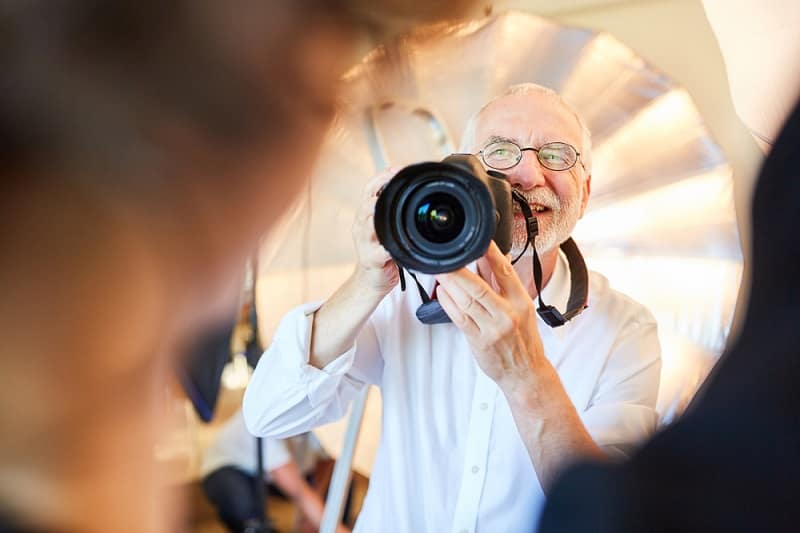
You don't need expensive equipment to produce professional results, but you do need to know your current gear completely. Whether you're working with a borrowed DSLR or a budget mirrorless, study every autofocus mode, every exposure setting, and every limitation. Understanding your camera inside and out means fewer surprises during a paid shoot when the pressure is on.
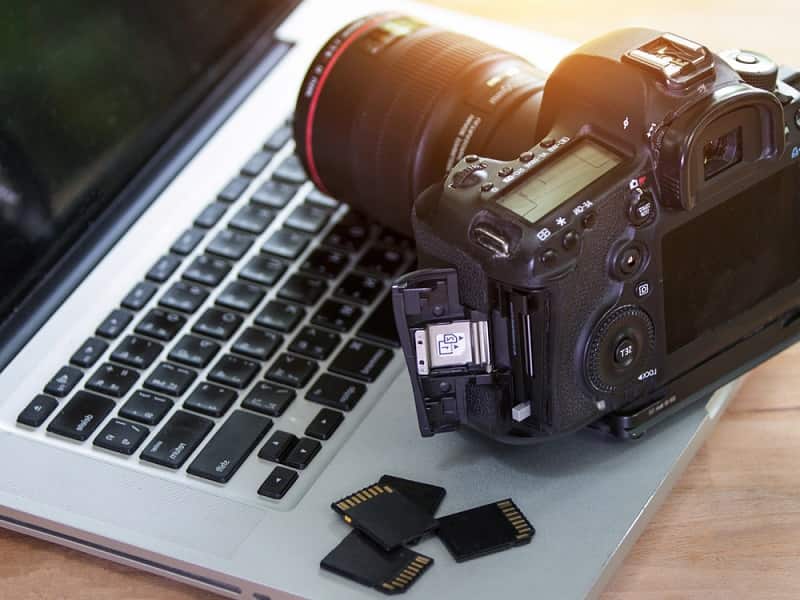
You're ready to charge when three things align: clients are proactively asking about your services, you can consistently deliver technically clean images, and you can manage a session from booking through final delivery without major problems. If someone contacts you after seeing your portfolio, that's a strong signal your work can command a fee.
Set a minimum rate before your first inquiry arrives. Knowing your floor prevents you from accepting work that doesn't cover your time and basic costs. Even a modest starting rate is better than working for free without a clear strategic purpose.
Early on, free or trade work can be smarter than charging low rates. Shooting product photos for a local business at no charge gives you commercial portfolio pieces you couldn't otherwise book. Second-shooting alongside an experienced photographer gives you high-pressure practice without full client responsibility. Volunteering at community events builds your local network fast.
Be intentional about it, though. Free work should fill a specific portfolio gap or build a specific relationship. Random unpaid work without a purpose devalues your time and sets a difficult precedent with future clients.

Not all photography niches are equally accessible when you're starting young. Some require specialized gear or deep industry relationships; others have low startup costs and strong local demand. Here's a side-by-side look at the most common options to help you find your starting point.
| Niche | Startup Cost | Local Demand | Best For |
|---|---|---|---|
| Portraits & Headshots | Low–Medium | High | Controlled sessions, people skills |
| Events (birthdays, sports) | Low | High | Fast shooting, candid work |
| Product Photography | Low–Medium | Medium | Detail-oriented, home studio setup |
| Real Estate | Medium | Medium | Wide-angle lenses, fast turnaround |
| Nature / Landscapes | Low | Low (local) | Portfolio building, prints, stock |
| Social Media Content | Low | Growing | Trend awareness, video alongside stills |
Portraits and events are the easiest entry points for most teen photographers. They require modest gear, have consistent local demand, and grow through word of mouth quickly. Product photography is worth considering if you have a detail-oriented mindset and can carve out a small shooting space at home.

Your most accessible first clients are already in your life — friends, classmates, neighbors, and family members. Senior portraits, birthday parties, sports team photos, and social media content shoots for local small businesses are all legitimate paid gigs. Don't dismiss them as too small. Every session adds to your portfolio and, if you deliver well, generates referrals.
Word of mouth is still the most powerful marketing channel for local service businesses. One client who genuinely loves their photos and tells three people does more for your business than any paid advertisement.

Instagram and TikTok are natural platforms for showcasing photography work. Post consistently, use location tags, and engage with local community hashtags. Behind-the-scenes content — your setup, your editing process, a gear breakdown — often performs better than polished final images alone and builds audience trust faster.
A simple website gives you a professional home base that social media can't fully replace. Platforms like Squarespace or Format let you build a clean portfolio site without any coding knowledge. Pair it with a dedicated business email address, and you'll present more professionally than many photographers at the same experience level.

Pro tip: Reply to every comment and DM on your photography posts — even brief responses signal that you're engaged and easy to work with, which matters more to prospective clients than follower count.
Once you have portfolio work you're proud of and a handful of happy clients, shift focus to building long-term discoverability. Ask satisfied clients for Google reviews or written testimonials you can feature on your website. Reach out to local community blogs or platforms about showcasing your work. If headshots are part of your service offering, the guide on tips for taking professional headshots will help ensure your output holds up against established market standards.
Treat your online presence as a compound asset. Every post, every review, and every piece of content builds on what came before. Photographers who start at sixteen and are fully booked by eighteen are the ones who treated visibility as a consistent habit — not a one-time push.

Pricing trips up most new photographers, and teen photographers especially tend to undercharge. Research what established local photographers charge for comparable services and start at roughly 60–80% of that range. As your portfolio strengthens and your client base grows, raise your rates deliberately — but do raise them.
Use a written contract for every paid session, regardless of how well you know the client. A basic agreement covering session date, deliverables, turnaround time, payment terms, and image usage rights protects both sides and sets professional expectations from the start. Template contracts designed for photographers are widely available online and require minimal customization.
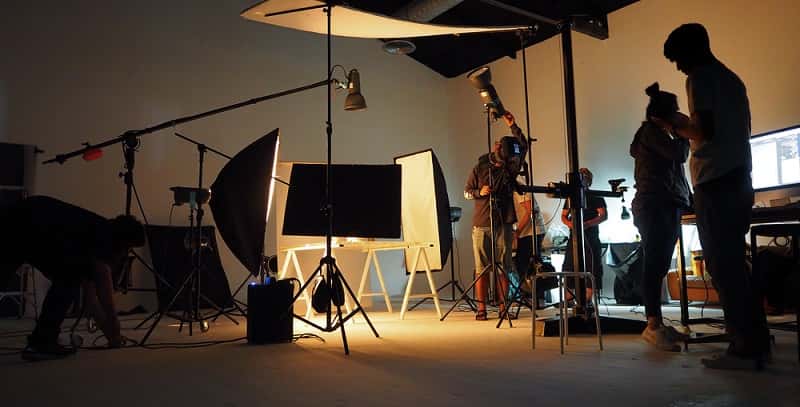
You don't need a full studio kit to look professional. A reliable camera body, a fast 50mm prime lens, and a collapsible reflector will handle the majority of portrait and event work. A sturdy tripod is essential for controlled environments and low-light situations. These four items form a complete working starter kit capable of sustaining a real client-facing business.


Resist the urge to buy more gear before mastering what you have. Gear upgrades rarely solve skill gaps. Better light, stronger composition, and clearer client communication will move your results forward faster than a new camera body.
Lighting knowledge is what most clearly distinguishes professional-looking work from amateur output. Natural light — window light, golden hour, open shade — is free and remarkably powerful when you learn to read it. When you're ready to work with artificial sources, the guide on types of lighting in photography covers both natural and studio options with practical detail you can apply immediately.
Composition is the other lever most beginners underestimate. The rule of thirds, leading lines, negative space — these aren't rigid formulas, but tools you can apply deliberately or break intentionally once you understand why they work. Strong composition is visible even on a phone screen thumbnail, which is exactly where clients often first encounter your work.
Requirements vary by location, but in many places you can operate as a sole proprietor without a formal business license for small-scale services. That said, it's worth checking your local city or county regulations before accepting paid work. Your parent or guardian may need to be involved in any formal registration process if you're under 18.
An entry-level DSLR or mirrorless camera — such as the Canon Rebel series, Nikon D3500, or Sony a6000 — is more than capable for professional portrait and event work. Prioritize a camera you can afford to pair with a quality lens. A solid 50mm prime lens on a budget body will outperform a kit zoom on an expensive body for most beginner use cases.
Research what established photographers in your area charge for similar services and start at roughly 60–80% of that range. For portrait sessions, this often means $75–$150 for a one-hour shoot with a set of edited digital images. Raise your rates as your portfolio and client list grow — undercharging indefinitely is unsustainable and signals low confidence to prospective clients.
Start with your immediate network — friends, family, and classmates. Offer one or two free or heavily discounted sessions specifically to build portfolio work, then ask those clients to share your photos and refer you. Post your best work on Instagram with local hashtags and your location tagged. First clients almost always come through personal connection, not cold outreach.
In most jurisdictions, contracts signed by minors are voidable, meaning the minor can cancel the agreement without penalty. This is why having a parent or guardian co-sign client contracts is important. It protects both you and your clients and ensures the agreement is legally binding. Always consult a local legal resource if you're unsure of the rules in your area.
In the United States, self-employment income above a certain annual threshold must be reported on a tax return regardless of your age. Your parent or guardian can help you navigate this, and a simple Schedule C filing typically covers freelance photography income. Keeping records of your income and basic expenses (gear, editing software, website fees) from the start makes filing significantly easier.
Learning how to start a photography business as a teenager is genuinely achievable — the skills, the clients, and the income are all within reach if you approach it with consistency and professionalism. Pick up your camera today, shoot something with intention, and take one concrete step toward your first booking, whether that's updating your portfolio, reaching out to a potential client, or setting your first rate. The photographers who succeed at any age are simply the ones who start and keep going.


About Editorial Team
The DigiLabsPro editorial team covers cameras, lenses, photography gear, and creative technology with a focus on helping photographers make informed buying decisions. Our reviews and guides draw on hands-on testing and research across a wide range of equipment, from entry-level beginner kits to professional-grade systems.
You can get FREE Gifts. Or latest Free phones here.
Disable Ad block to reveal all the info. Once done, hit a button below
