Roughly 1.9 million couples get engaged in the United States every year, and a surprising number walk away from their engagement shoot feeling like the images could belong to anyone. That's the direct cost of defaulting to the same predictable formula — the coordinated neutrals, the park bench, the ring held at camera. Non-traditional engagement photo ideas have surged in popularity because couples are tired of photos that look borrowed. Our team covers portrait lighting, posing, and outdoor technique across the photography articles section here at DigiLabsPro, and we believe this creative shift is one of the most meaningful developments in couples photography in the past decade.
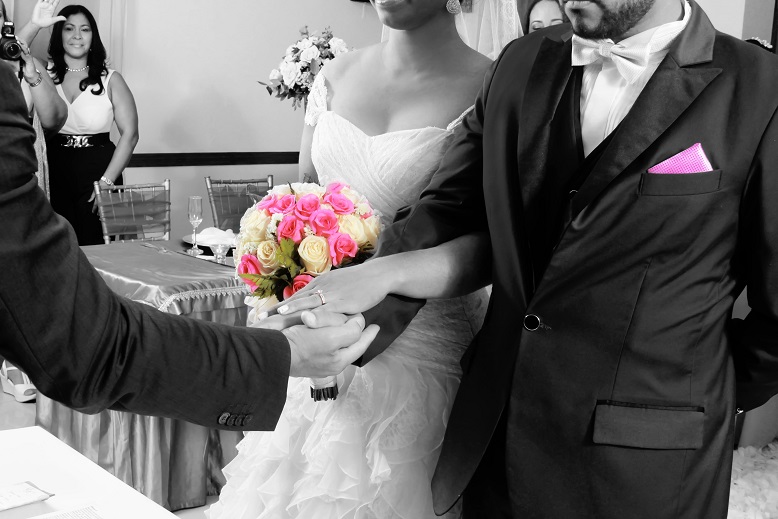
The standard engagement session isn't broken, exactly. But it's become so templated that many resulting images feel interchangeable. Our team started noticing this pattern years ago — couples arriving with Pinterest mood boards and leaving with photos that matched every other couple's album. The fix doesn't require exotic locations or high-end gear. It starts with a fundamentally different approach to how a session is structured, directed, and experienced.
This guide covers the full picture: how to read a couple's comfort level, which creative concepts actually hold up in practice, how to navigate mixed expectations, and how to budget realistically for an unconventional shoot. Whether a photographer is booking their first engagement session or their five hundredth, there are concrete strategies here worth putting to use.
Contents
Not every couple walks into an engagement session ready for something unconventional. Some have already researched rooftop shoots, moody film-style portraits, and underwater concepts. Others are anxious about being on camera at all. The first step in any non-traditional shoot is accurate assessment — not assumption based on what the photographer wants to create.
Our team recommends a pre-session consultation that goes well beyond logistics. The goal is to find out what couples loved about photos they've saved, what made them cringe in other people's albums, and what experience they're hoping to have — not just what images they want. That distinction matters more than most photographers acknowledge. A couple who says they want to "feel natural" is asking for a different kind of direction than one who says they want to look "editorial."
Camera anxiety is the enemy of authentic engagement photography, and it's nearly universal in people who don't model professionally. Our experience tracks closely with the principles outlined in our guide to working with new or inexperienced models — the first ten minutes of any session set the emotional tone for everything that follows.
The rapport phase isn't wasted time. It's the foundation that makes creative direction possible at all.
The fastest way to elevate an engagement session is to stop treating location as a backdrop and start treating it as a collaborator. Location shapes everything — light quality, movement options, wardrobe logic, the emotional register of every frame. A couple shooting in a working coffee shop feels entirely different from one shooting in an abandoned warehouse, even if the posing is identical.
Our team consistently finds that unusual locations unlock naturally compelling compositions. Staircases, alleyways, covered markets, libraries, and industrial spaces all create visual structure that does compositional work the photographer doesn't have to manufacture. The couple's connection becomes the focal point rather than a nice element in front of a generic backdrop.
Static poses are the default because they're easy to control. But movement produces the most memorable engagement images — the mid-laugh, the spontaneous dip, two people running toward something together. Our team prefers shooting in bursts during movement sequences rather than asking couples to hold still for a perfectly composed frame.
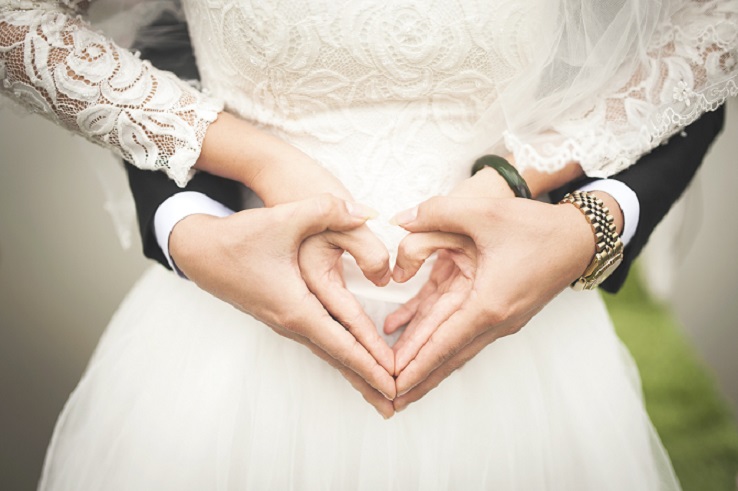
The shift toward creative engagement photography isn't just an aesthetic preference — it reflects how portrait photography as a discipline has evolved alongside social media and shifting expectations around authenticity. Below is a direct side-by-side comparison across the factors that matter most in practice.
| Factor | Traditional Approach | Non-Traditional Approach |
|---|---|---|
| Location | Parks, gardens, neutral studio | Urban spaces, meaningful venues, adventure settings |
| Posing style | Directed, static, formal | Movement-based, prompted, candid-style |
| Wardrobe | Coordinated neutrals or formal wear | Activity-appropriate, personality-driven |
| Lighting approach | Golden hour, soft diffused natural light | Mixed sources, neon, flash, or harsh light used creatively |
| Session length | 1–2 hours | 2–4 hours (logistics require more time) |
| Post-processing | Clean, warm edits | Film emulation, high contrast, matte, or editorial tones |
| Permit requirements | Rarely needed | Common for urban/public commercial shoots |
Neither approach is universally superior. Traditional sessions deliver reliable, timeless results with minimal friction. Non-traditional sessions carry more logistical risk but more potential reward. Our team recommends being transparent about that trade-off rather than overselling creative direction to a couple who would genuinely prefer something classic.
Over-direction is the fastest way to kill the natural energy that non-traditional engagement photos depend on. When a photographer micromanages every frame, the resulting images look coached — even if the underlying concept is genuinely creative. The real goal is creating conditions for genuine moments, not manufacturing them on command.
Pro tip: Give couples a shared task to complete — arranging flowers, flipping through a book, setting up a picnic — and shoot while they focus on the task rather than the lens. The resulting frames almost always look more natural than any formally directed pose.
The skill gap between intermediate and advanced engagement photographers often surfaces exactly here. Both can execute a creative concept. The advanced photographer knows when to stop talking, lower the camera, and let a moment breathe on its own.
Outdoor non-traditional sessions often span multiple locations and light conditions within a single shoot. For anyone unfamiliar with making difficult light work in their favor, our breakdown of taking beautiful photos in difficult mid-day light covers the core techniques: using shade as a softbox, exposure compensation for high-contrast scenes, and using a reflector without making results look artificially lit.
Some of the most striking non-traditional engagement photography comes from reclaimed industrial spaces — warehouses, rail yards, rooftops, parking structures. The visual language is completely different from a manicured park: raw textures, strong geometry, unfiltered ambient light. The contrast between soft, romantic subjects and hard environments creates visual tension that reads as editorial without requiring editorial-level production budgets.

Our team has tracked a consistent pattern across engagement portfolios: couples who choose locations with genuine personal meaning — the restaurant where they met, the neighborhood where they got lost on their first trip, the coffee shop where one of them proposed — report more satisfaction with the final images than those who chose a visually pretty location with no personal connection. The emotional resonance shows in the photographs even when viewers don't know the story behind the location.
Adventure sessions — hiking, surfing, skiing, climbing — work because the activity itself generates authentic emotion. No one has to perform happiness while actually doing something they love together. The photography becomes documentary as much as portrait work. This approach demands technical adaptability: faster shutter speeds, weather-sealed gear, and comfort with rapidly changing light.
Non-traditional approaches work best when the couple has a strong shared identity — a hobby, a cultural background, a distinctive sense of humor, or a place that holds real meaning for both of them. The creative concept should emerge from who the couple actually is, not from what looks compelling in a photographer's portfolio.
Ideal candidates for a fully non-traditional session share some common traits:
Not every couple who says they want something non-traditional actually does. Our team watches for mismatched energy — one partner genuinely excited by the creative concept, the other visibly uncertain. That dynamic tends to surface mid-session as subtle resistance to direction, and it rarely produces strong images regardless of how good the concept is.
Similarly, couples whose families are co-funding the shoot and have specific expectations may need a hybrid approach: some creative frames for themselves, some traditional ones for the family album. That's not a compromise — it's smart session planning. For more on how small adjustments during a shoot can shift the entire emotional register of a set, the principles in our post on how small posing adjustments create a big impact apply across portrait contexts beyond boudoir work.
Non-traditional sessions often cost more than traditional ones — not because creative photography commands a premium on its own, but because the logistics do. Location permits, travel time, longer session windows, and specialized gear all add up before a single frame is captured. Budget transparency early in the booking conversation prevents friction when the invoice arrives.
The two most commonly overlooked costs in non-traditional engagement sessions are pre-shoot time and post-processing. A creative concept requiring location scouting, permit applications, and detailed coordination adds hours before the shutter fires. Film-emulation or editorial-grade editing takes measurably longer than a clean warm grade. Our team builds a realistic production timeline before quoting, because a rushed creative session almost always produces results that look no different from a traditional one.
For reference, here is how typical pricing tiers break down across the US market:
A non-traditional engagement session prioritizes authentic storytelling over scripted poses. It typically involves location choices, movement direction, and post-processing styles that reflect the couple's actual personality rather than a standard portrait formula. The defining characteristic is intentionality — every element of the shoot is chosen because it fits the couple, not because it's the safe default.
Most non-traditional sessions run two to four hours, compared to the one to two hours common for traditional shoots. The extra time accounts for travel between locations, a longer rapport-building phase, and the higher volume of movement-based frames that need to be captured to guarantee strong selects. Rushing a creative session almost always produces mediocre results.
Wardrobe for non-traditional sessions should match the activity and environment rather than follow the neutral-coordinated-outfits formula. For an urban shoot, streetwear or smart-casual works well. For an adventure session, practical and activity-appropriate clothing is the correct call. Our team recommends couples bring one outfit change and avoid anything that requires constant adjustment — self-consciousness about wardrobe kills natural expressions fast.
Generally, yes — though not always because of the photography itself. The added cost usually comes from logistics: longer session windows, location permits, travel fees, and extended post-processing for editorial-style edits. Anyone budgeting for a creative session should factor those variables in from the start rather than treating them as add-ons after booking.
The best non-traditional locations are ones that carry personal meaning for the couple, offer interesting visual structure, and provide good light at the planned shoot time. Industrial spaces, urban neighborhoods, working businesses, and meaningful natural environments consistently outperform generic "pretty" backdrops. Our team recommends scouting at the exact time of day the session will run before committing to a location.
The most effective approach is to delay formal direction entirely for the first ten to fifteen minutes and focus on movement and conversation instead. Task-based prompts — asking couples to do something together rather than pose — take attention off the camera and produce naturally expressive frames. Specific, concrete direction ("whisper something to each other") works far better than abstract prompts like "look in love."


About Editorial Team
The DigiLabsPro editorial team covers cameras, lenses, photography gear, and creative technology with a focus on helping photographers make informed buying decisions. Our reviews and guides draw on hands-on testing and research across a wide range of equipment, from entry-level beginner kits to professional-grade systems.
You can get FREE Gifts. Or latest Free phones here.
Disable Ad block to reveal all the info. Once done, hit a button below
