The global secondhand camera market is worth over $1 billion in annual transactions, yet most photographers recoup far less than they should when it's time to upgrade. If you've been asking where to sell used camera equipment, the answer depends on your priorities — speed, maximum payout, or zero hassle. Getting that right can mean hundreds of extra dollars per sale. For more practical photography guidance, explore our photography articles section.
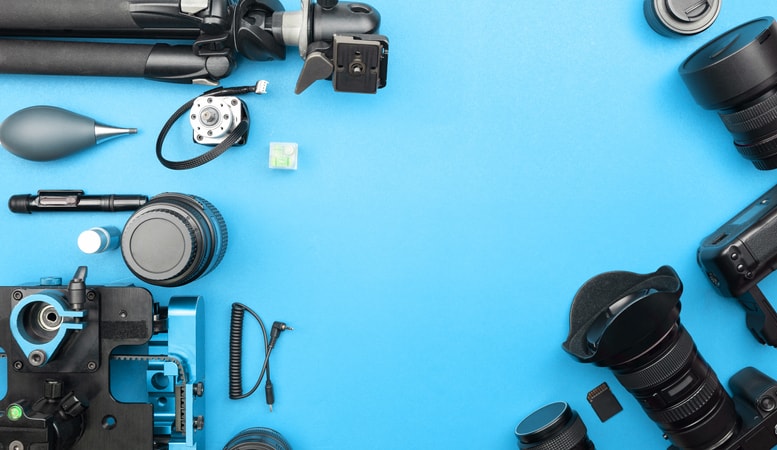
The used gear ecosystem has expanded well beyond eBay. You now have dedicated camera resellers, peer-to-peer platforms, local marketplaces, and direct trade-in programs all competing for your inventory. Each one has a different payout structure, time commitment, and risk profile. Understanding those differences before you list is what separates a smooth, profitable transaction from a frustrating one.
This guide walks you through every key decision — from figuring out the right moment to sell, to staging your listing, to picking the platform that fits your situation. Whether you're offloading a single lens or clearing out an entire kit, you'll finish this with a clear plan.
Contents
Timing your sale correctly is one of the most underrated factors in getting a good return. Sell too late — after a newer model drops — and your asking price drops with it. But selling too early, or selling gear you still need, is just as costly.
You don't need a spreadsheet to know when it's time. Watch for these signals:
Depreciation accelerates after a successor model launches. If a new version of your camera has just been announced, list your current body before the announcement drives prices down.
Sometimes the smarter move is patience. Hold off if:
If your gear sat untouched through your last three shoots, that's your clearest signal — convert it to cash before the next model announcement drops your asking price further.
Don't guess your price — research it. Open eBay, search your exact model, and filter by "Sold Listings." That shows you what buyers actually paid, not what sellers hoped to get. Cross-check with KEH Camera, MPB, and B&H's used section for a realistic floor and ceiling.
Condition grading matters enormously. Most platforms use a scale like this:
Be honest. Buyers who receive a "Good" camera rated as "Excellent" will leave negative feedback and demand a refund.
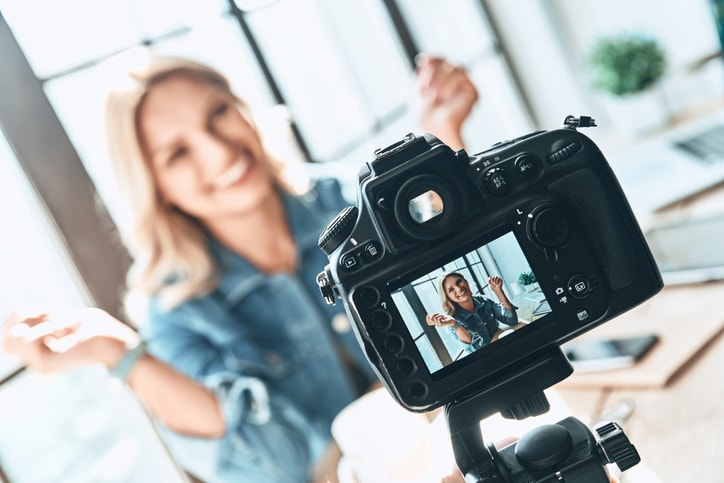
Lead your title with the exact model name, condition, and key accessories (e.g., "Canon EF 50mm f/1.4 USM — Excellent — with Hood"). In the description, list every included item, disclose any cosmetic issues clearly, and state the shutter count for camera bodies. Well-lit, sharp photos of the actual item — not stock images — close deals faster.
Peer-to-peer platforms give you the highest potential payout but require more effort. Here's how the major options stack up:
| Platform | Best For | Seller Fees | Payout Speed | Effort Required |
|---|---|---|---|---|
| eBay | Any gear, wide audience | ~12–15% final value | After buyer receives item | Medium |
| Facebook Marketplace | Local sales, no fees | None (local) | Same day (cash) | Low–Medium |
| Craigslist | Bulky items, local only | None | Same day (cash) | Medium |
| UsedPhotoPro | Camera-specific buyers | 5% | After sale | Medium |
| MPB | DSLRs, mirrorless, lenses | None (buyback) | 2–5 business days | Very Low |
| KEH Camera | All camera gear | None (buyback) | 2–5 business days | Very Low |
| B&H / Adorama Used | Premium gear | None (trade-in) | Immediate (store credit) | Very Low |
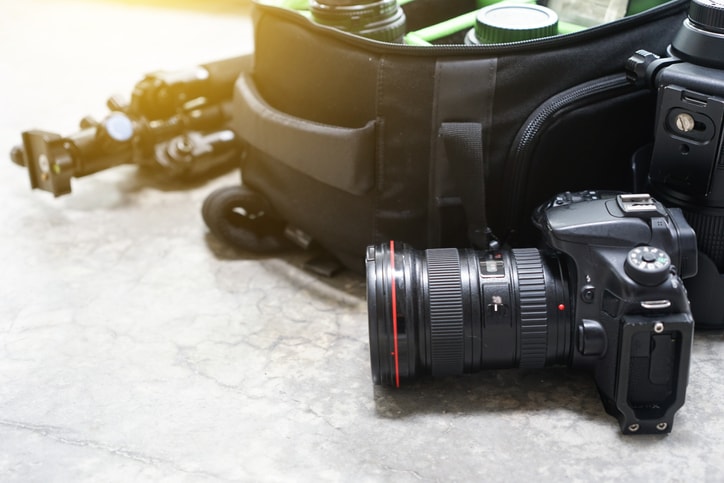
Dedicated buyback services like used goods resellers KEH and MPB offer instant quotes online. You ship the gear, they inspect it, and pay within days. You'll typically receive 10–20% less than a private sale — but you skip the listing, fielding buyer questions, packing, and dispute risk entirely. For high volumes of gear or time-pressed photographers, that tradeoff is worth it.

A clean camera body sells faster and commands a higher price. Before listing, wipe down the body with a microfiber cloth, clean lens elements with proper lens tissue and solution, and check the sensor for dust spots. Run a shutter count check — tools like ShutterCheck or EOSInfo give buyers confidence and remove a common objection. Test every button, dial, and port.
Original packaging adds perceived value. A camera sold with its original box, charger, strap, manuals, and all caps and covers will consistently fetch more than the same body sold loose. Pull together:
It also helps to have your files organized before you close out a camera permanently. If you're transferring ownership of a card or drive that came with the gear, read our guide on how to name photography files to make sure you're handing over a clean, professional asset — not a mess of unnamed folders.
The used camera market follows predictable cycles. List before a new model announcement — not after. Monitor manufacturer rumor sites (Canon Rumors, NikonRumors, Sony Alpha Rumors) and get your gear listed at least two to three weeks before an expected reveal. Prices on older models drop within 48 hours of an announcement. Spring and fall also tend to bring stronger buyer activity than the mid-summer lull.
A few small moves that consistently improve results:
One often-overlooked consideration: selling camera gear may have tax implications depending on your situation and jurisdiction. Before your first big sale, review what every photographer should know about sales tax so you're not caught off guard at tax time.
If this is your first time selling used camera equipment, keep friction low. Start with a trade-in service like KEH or MPB — get an online quote, ship the gear in their prepaid box, and receive payment in a few days. You'll earn less than a private sale, but you'll avoid the learning curve of writing listings, managing messages, packing shipments, and handling potential disputes. It's a clean, low-stress starting point.
Facebook Marketplace is another beginner-friendly option for local sales. You meet the buyer in person, accept cash or a verified payment app, and skip shipping entirely.
Once you've sold a few pieces of gear and understand the process, you can optimize further:
Peer-to-peer platforms like eBay or UsedPhotoPro typically return the highest payout because you set your own price and deal directly with buyers. The tradeoff is time and effort. If you want speed with minimal hassle, dedicated buyback services like KEH or MPB offer fair quotes and fast payment.
Search your exact model on eBay and filter results by "Sold Listings" to see actual completed sale prices. Cross-reference with current quotes from KEH and MPB. Those three data points give you a reliable price range based on condition.
Yes, with basic precautions. Use tracked, insured shipping, photograph your gear thoroughly before sending, and keep all communication within eBay's messaging system. eBay's seller protection policies cover most legitimate disputes, but documentation is your best defense.
In most cases, selling personal gear at a loss means no taxable income. However, if you sell gear for more than you originally paid — or if you regularly buy and sell gear as a business activity — tax obligations can apply. Consult a tax professional if you're unsure about your specific situation.
Use double-box packing for fragile items like lenses and camera bodies. Wrap each item individually in bubble wrap, place it in a snug inner box, then pack that box inside a larger outer box with at least two inches of padding on all sides. Always purchase shipping insurance for items over $100.
Trade-in services pay out within two to five business days after they receive and inspect your gear. Private listings on eBay or Facebook Marketplace can sell the same day or take two to four weeks depending on demand, pricing, and the time of year. Rare or premium gear often moves faster than mid-range commodity items.
You now have a clear roadmap for where to sell used camera equipment and how to do it well. Pick your platform, prep your gear properly, and price it based on real sold data — not wishful thinking. Start with a quote from KEH or MPB today, or photograph your first listing and get it live before the next model announcement drops your asking price.


About Editorial Team
The DigiLabsPro editorial team covers cameras, lenses, photography gear, and creative technology with a focus on helping photographers make informed buying decisions. Our reviews and guides draw on hands-on testing and research across a wide range of equipment, from entry-level beginner kits to professional-grade systems.
You can get FREE Gifts. Or latest Free phones here.
Disable Ad block to reveal all the info. Once done, hit a button below
