What makes the difference between a stiff, forgettable portrait and one that stops people mid-scroll? Nine times out of ten, it comes down to how the photographer handles the person in front of the lens. Knowing how to work with new photography models is the skill that separates technically competent shooters from genuinely versatile portrait artists — and our team has spent years refining this process across hundreds of collaborative sessions. This guide, part of our broader photography articles series, lays out everything we've learned: from gear choices to on-set direction techniques to long-term collaboration strategy.
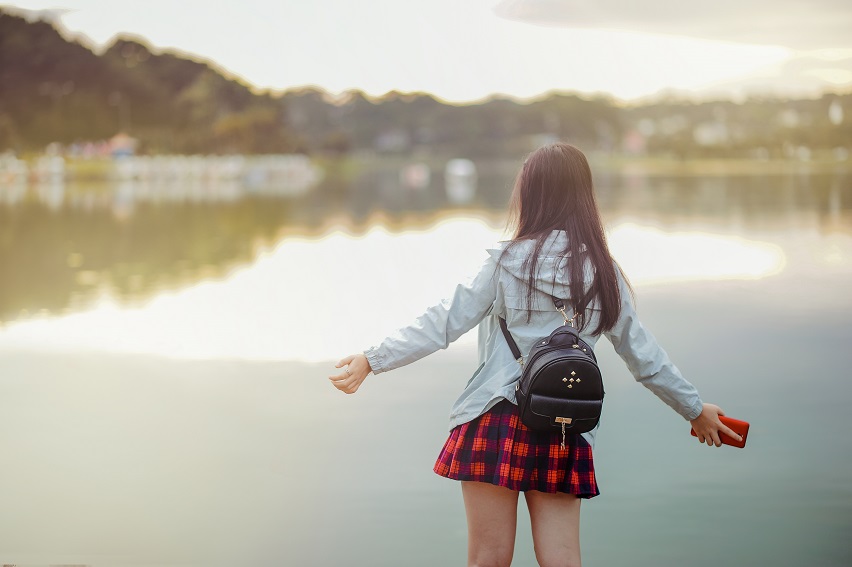
First-time and inexperienced models arrive on set with something valuable: unfiltered, unguarded reactions. The challenge our team faces in every session is directing that raw energy into purposeful, compelling frames. It does not happen automatically. It requires deliberate preparation, the right equipment, and a clear communication framework established well before the shutter fires.
Photographers who struggle with inexperienced models are usually solving the wrong problem — obsessing over technical settings while ignoring the human dynamics that actually drive results. According to Wikipedia's overview of portrait photography, the relationship between photographer and subject is one of the defining elements of the genre, and our experience confirms this completely. The sections below address both the technical and the relational sides of this craft.
Contents
Equipment choices have a direct and underappreciated impact on how comfortable a new model feels during a shoot. Heavy, imposing rigs create distance. Our team favors a mirrorless body paired with a mid-range portrait prime — typically an 85mm f/1.8 or a 50mm f/1.4 — for its compact profile, quiet shutter, and flattering subject compression. Less visual intimidation from the camera translates directly into more relaxed, genuine expressions.
For anyone building a kit specifically around portrait and model work, the core components look like this:
Our team also recommends reviewing our detailed breakdown on how to take good photos with a digital camera for foundational camera handling tips that apply directly to model sessions. Understanding how camera stabilizers work is equally worth the time — eliminating motion blur from handheld shooting means fewer retake interruptions that can disrupt a new model's concentration.
Pro Tip: Our team always shoots tethered when working with new models. Showing an immediate preview on a laptop screen builds the model's confidence and transforms post-shot critique into a collaborative, energizing exchange rather than a one-sided correction.
Lighting setup is the single technical element that most affects a new model's comfort level and the photographer's ability to direct freely throughout the session. A single large softbox at a 45-degree angle — what our team calls the "safe light" — eliminates the need to reposition models dramatically every time a setup changes. The model can move naturally within a broad zone of flattering illumination rather than hunting for a specific mark.
Our team's go-to kit for indoor model sessions:
For a deeper dive into how different light sources affect skin tones, catchlights, and overall mood, our team's guide on types of lighting in photography is essential reading before any model session. Managing difficult ambient conditions — particularly for outdoor model shoots — is covered thoroughly in our piece on taking beautiful photos in difficult mid-day light.
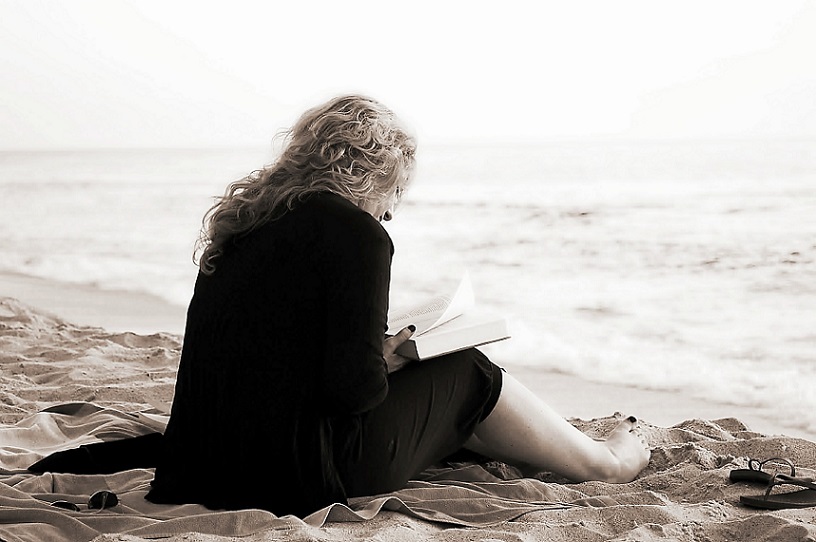
One of the most persistent misconceptions about model photography is that it demands a premium budget from the very first shoot. Our team has run successful sessions across a wide range of investment levels. The actual costs depend heavily on whether the arrangement involves TFP (time for print — a mutual portfolio trade), paid model rates, or a hybrid approach combining elements of both.
| Cost Element | Entry Level | Mid-Range | Professional |
|---|---|---|---|
| Model rate (per session) | TFP — no cash cost | $75–$200 | $300–$800+ |
| Studio rental | Home setup or free outdoor location | $30–$80/hr | $100–$250/hr |
| Lighting equipment | $150–$400 (basic two-light kit) | $600–$1,500 | $2,500+ |
| Hair and makeup artist | Model self-provided | $80–$150 | $200–$500 |
| Post-processing (retouching) | Free — self-edited | $50–$150 per session | $200–$600 per session |
Our team strongly recommends starting with TFP arrangements when both photographer and model are actively building their portfolios. The photography industry survey results from our professional trends coverage confirm that collaborative portfolio building remains one of the most effective strategies for new talent on both sides of the lens to gain credible, diverse work samples without an upfront financial commitment.
Important: Our team always documents TFP arrangements in writing before the session begins. A simple one-page agreement covering deliverables, usage rights, and turnaround time prevents the misunderstandings that most commonly damage promising new working relationships.
Post-production is where the budget conversation most often gets underestimated. Editing portrait images from model sessions demands more time than standard product or landscape work. Skin retouching, color grading, and expression selection all add significant hours. Our team budgets approximately 20 to 30 minutes per final delivered image for new model portraits — factoring in frequency-separation skin work and targeted dodge-and-burn passes on highlights and shadows.
Batch processing tools compress that window substantially. Our team builds custom Lightroom preset chains and Capture One styles that handle roughly 70 percent of the color grading automatically, reserving manual time for skin tone corrections and the hero shots that will anchor the portfolio. Most photographers underestimate post time on their first few model sessions; planning for it from the start keeps costs — and frustration — firmly under control.
The most important part of any session with an inexperienced model happens before the camera comes out. Our team spends a minimum of 15 minutes on arrival doing nothing but talking — about the concept, about reference images, about what the model wants to take away from the day. This conversation establishes trust and sets a genuinely collaborative tone that carries through every setup change for the rest of the shoot.
Key preparation steps our team follows consistently:
Our interview with portrait specialist Jay Kelly covers this pre-session framework in close detail. His approach to building model confidence before the first frame fires is one our team has adapted and refined into standard practice across all portrait sessions.
Directing a new model in real time is where most photographers lose momentum. Generic instructions like "look natural" or "just relax" are the fastest route to stiff, self-conscious images. Our team uses action-based, physically specific direction instead — prompts that give the model something concrete and achievable to do rather than a vague emotional state to manufacture on demand.
Practical direction techniques our team relies on every session:
For capturing authentic, unguarded expressions specifically — one of the hardest consistent challenges when working with new models — our team's guide on capturing genuine expressions in photography provides five actionable techniques that translate directly and immediately to model sessions.

Pro Insight: Our team has found that new models perform noticeably better when they hear the camera firing frequently — even during test frames. The sound of consistent capture signals that things are going well, keeping energy high when silence might be read as disappointment.
Technical fumbling is one of the most damaging things a photographer can do during a first session with a new model. Every time a shoot stops for a settings check, a card swap, or a lighting adjustment that should have been handled in setup, the model's confidence and energy take a measurable dip. Our team arrives early, tests every piece of equipment, and runs through a full settings pre-check before the model arrives — so the session itself runs without a single preventable interruption.
The technical mistakes our team observes most frequently from photographers new to model work:
Beyond technical issues, the most damaging mistake our team witnesses is vague or negative feedback delivered during an active shoot. Telling a new model that a pose "isn't working" without offering an immediate replacement direction creates anxiety and rarely improves results in the next frame. Our team replaces all negative feedback with specific redirections — "let's shift into something different" followed immediately by a concrete action prompt.
Communication pitfalls that consistently undermine model sessions:
The photographers who produce consistently outstanding model work treat early sessions as the beginning of ongoing professional relationships — not one-off transactions. Our team maintains a working roster of models at various experience levels, scheduling regular sessions that track development over time. This approach yields a richer, more diverse portfolio than isolated shoots ever could, and it builds the kind of professional reputation that attracts more experienced talent naturally.
Elements of a strong long-term collaboration strategy:
No honest guide to model photography sidesteps the genuine trade-offs involved. Our team's assessment, built across years and hundreds of sessions, is clear-eyed about both sides of this equation.
The advantages are real and significant:
The challenges deserve equal acknowledgment:
The overall assessment from our team: the investment is firmly worth it, particularly in the early stages of building a portrait portfolio. The images that emerge from well-directed sessions with new models carry a quality of unscripted presence that is genuinely difficult to replicate with talent who have been in front of a lens for years.
Our team's most reliable method is slowing the session down entirely — dedicating more time to conversation, shooting informal candid frames before moving into formal setups, and verbalizing encouragement at every opportunity. Nervous energy tends to dissipate naturally within the first 15 to 20 minutes when the photographer establishes a genuinely low-pressure environment from the moment the model walks in the door.
Our team treats written agreements as non-negotiable, even for TFP sessions. A simple one-page document covering image usage rights, turnaround times, and model release terms protects both parties professionally and sets the standard that more experienced models will expect as their careers advance. Skipping this step is one of the most common early mistakes in model photography — and one of the easiest to avoid.
Our team defaults to aperture priority at f/2 to f/2.8, with auto ISO capped at 3200 and a minimum shutter speed of 1/200s to freeze natural movement. This configuration keeps images sharp through spontaneous motion while providing enough depth-of-field flexibility to flatter a wide range of poses without constant manual adjustment — freeing the photographer to focus entirely on direction rather than settings.


About Editorial Team
The DigiLabsPro editorial team covers cameras, lenses, photography gear, and creative technology with a focus on helping photographers make informed buying decisions. Our reviews and guides draw on hands-on testing and research across a wide range of equipment, from entry-level beginner kits to professional-grade systems.
You can get FREE Gifts. Or latest Free phones here.
Disable Ad block to reveal all the info. Once done, hit a button below
